 Brixel Proyect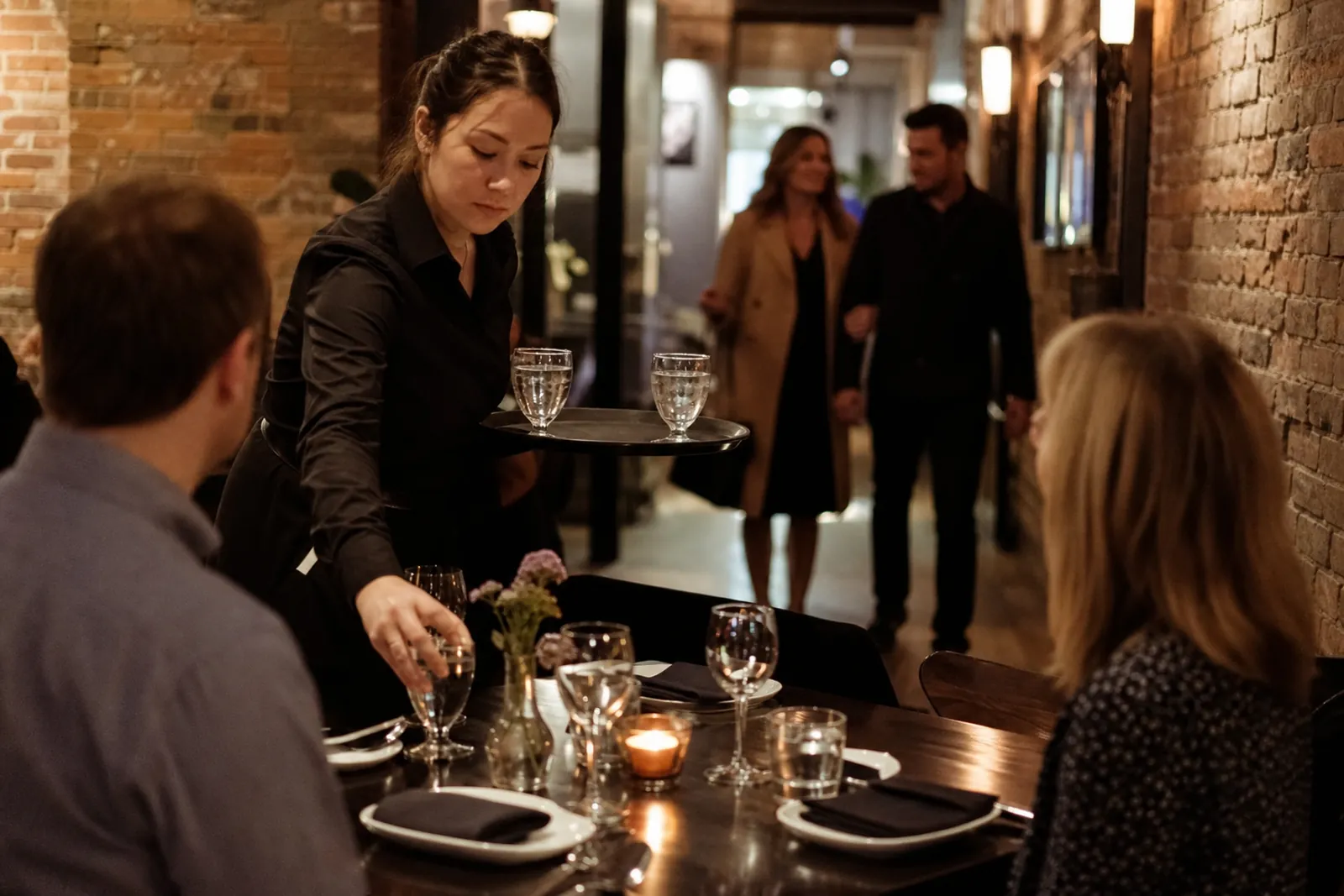
Start with the feeling of a visit
Before you pick photos or write copy, think about how someone experiences your place. They see the front door, catch the light, notice the room, scan the menu, and decide if they want to stay. Your page should follow that same order so the visitor understands the place without having to work for it.
This is different from a normal restaurant homepage with a pile of sections in random order. A cinematic page works like a short walk through the space. It should feel calm and guided, with each part leading to the next. The goal is not to show everything at once. The goal is to make the reader feel like they are already there.
- Pick one main feeling: warm, lively, intimate, polished, or casual.
- Keep the page to one clear path from first glance to reservation.
- Use a single voice in the writing so the page feels like one place.
Open with the door, the light, and the first promise
The top of the page should answer one question fast: what kind of place is this? Use a wide shot of the front, the entry, or a familiar corner that shows the mood right away. If the room is small and quiet, show that. If it is energetic, show motion and people in a natural way.
The first line of copy should be plain and direct. Say what you are and what people can expect. A good opening might be about fresh seafood, late-night drinks, wood-fired dishes, neighborhood brunch, or a chef-led tasting menu. Keep it simple. Visitors should not need to decode your brand to know if the place fits their plans.
Avoid crowding the top with too many claims. Skip long lists, long paragraphs, and every award you have ever won. The opening should set the tone and point the eye toward the next part of the visit.
- Use one strong image or short clip that shows the room in its best light.
- Put a clear reservation button near the top.
- If people often come for a specific thing, name it early.
Move through the room the way guests do
After the opening, guide the visitor through the space in a natural order. Show the table, the bar, the menu, and the details that make the place feel real. A close shot of a table setting can say more than a long paragraph. A glass being poured, a plate being placed, or a bartender mixing a drink can all carry the story forward.
Think like a guest who just sat down. What do they notice next? Maybe it is the menu. Maybe it is the lighting. Maybe it is the noise level, the seating, or the staff at work. Use that order on the page. Let each section answer the next question before the visitor has time to ask it.
This is where many pages go wrong. They jump from the front door to the chef to the reviews to the full history of the business and then back to the menu. That feels messy. Keep the sequence steady and familiar. The page should feel like a table service experience, not a pile of promo material.
- Show a real table, not a staged scene that feels empty or stiff.
- Use short section labels like menu, space, drinks, private events, reserve.
- If the room changes from day to night, show both moods only if both matter.
Film the moments people care about
For a restaurant or bar site, the best footage is not always the flashiest footage. It is the footage that tells a guest what the experience feels like. Film the front door opening, the host welcoming someone in, a table being set, steam rising from a dish, a pour at the bar, and a close look at the menu in use.
Also film the parts that help people make a choice. Show the seating mix if you have booths, a bar rail, patio tables, or a private room. Show food in a way that makes the portion and style clear. If the place changes across the week, film those differences in a real way. A brunch crowd is not the same as a late-night bar crowd, and the page should not pretend they are.
Leave out anything that pulls attention away from the experience. Skip shaky clips of the kitchen if they do not add value. Skip slow shots that never lead anywhere. Skip filters that change the color of the food so much that it no longer looks like the real dish. A cinematic page should feel inviting, not edited to the point of distraction.
- Capture real movement: pouring, plating, greeting, sitting, serving.
- Avoid showing only empty room shots unless the emptiness is part of the mood.
- Do not film every dish you offer; choose the items people ask for most.
Make the menu and reservation easy to reach
A beautiful page does not help much if people have to hunt for the menu or booking button. The menu should appear in a place that is easy to find without forcing visitors to scroll back and forth. If you have a dining room and a bar menu, separate them clearly. If the menu changes by day or time, say that in plain words.
The reservation part should feel like the last step in a natural walk through the page. After the visitor sees the room and the food, give them one clear next action. Use a simple button and keep the form short. Ask only for what you truly need. Too many fields can make the process feel heavier than the visit itself.
If you take walk-ins, say so. If you take large parties, private events, or late-night seating, say that too. These are the details people look for when they are ready to choose. Keep them near the reservation area so the visitor does not have to search.
- Put menu and reserve links in the same general area on the page.
- Use plain labels like menu, reserve, private events, and hours.
- Make sure contact details are easy to spot on a phone screen.
Write like someone welcoming a guest
The words on the page should sound like a host, not a brochure. Write in short sentences. Say what matters now. If the place is known for handmade pasta, share that. If the bar is known for a strong cocktail list, say that without dressing it up. If the room is best for date night, a group dinner, or a relaxed meal after work, say it plainly.
Be careful with words that sound fancy but say very little. Guests do not need a poem when they are trying to decide where to eat or drink. They need clear clues about the experience. Good writing can still feel warm and polished, but it should not get in the way of the decision.
A final section can mention what makes the place different in a few lines, then end with a clear action. This is a good place to repeat the reservation button or the menu link. If you work with a studio like Brixel Proyect, the page should still sound like your place, not like a template.
- Use the same tone across the whole page.
- Avoid long history sections unless they help people choose.
- Say what guests can do next, not just what you hope they admire.
Questions owners ask
Should a restaurant or bar site use more video or more photos?
Use both if they each do a job. Video is best for motion, mood, and small moments like pouring, plating, or a busy room. Photos are still useful for the menu, the seating, and the details people want to study before they visit.
Do I need separate pages for food, drinks, and reservations?
Not always. If you want a cinematic one-page site, you can keep everything on one page as long as the order is clear and the menu and reserve actions are easy to find. Separate pages can help only when the business has a lot to show and the page starts to feel crowded.
What should I leave out of a cinematic restaurant page?
Leave out anything that makes the page feel stiff, busy, or hard to follow. That includes shaky clips, overdone filters, long blocks of copy, and random images that do not match the room. If a photo or clip does not help a guest picture the visit, it probably does not belong.