 Brixel Proyect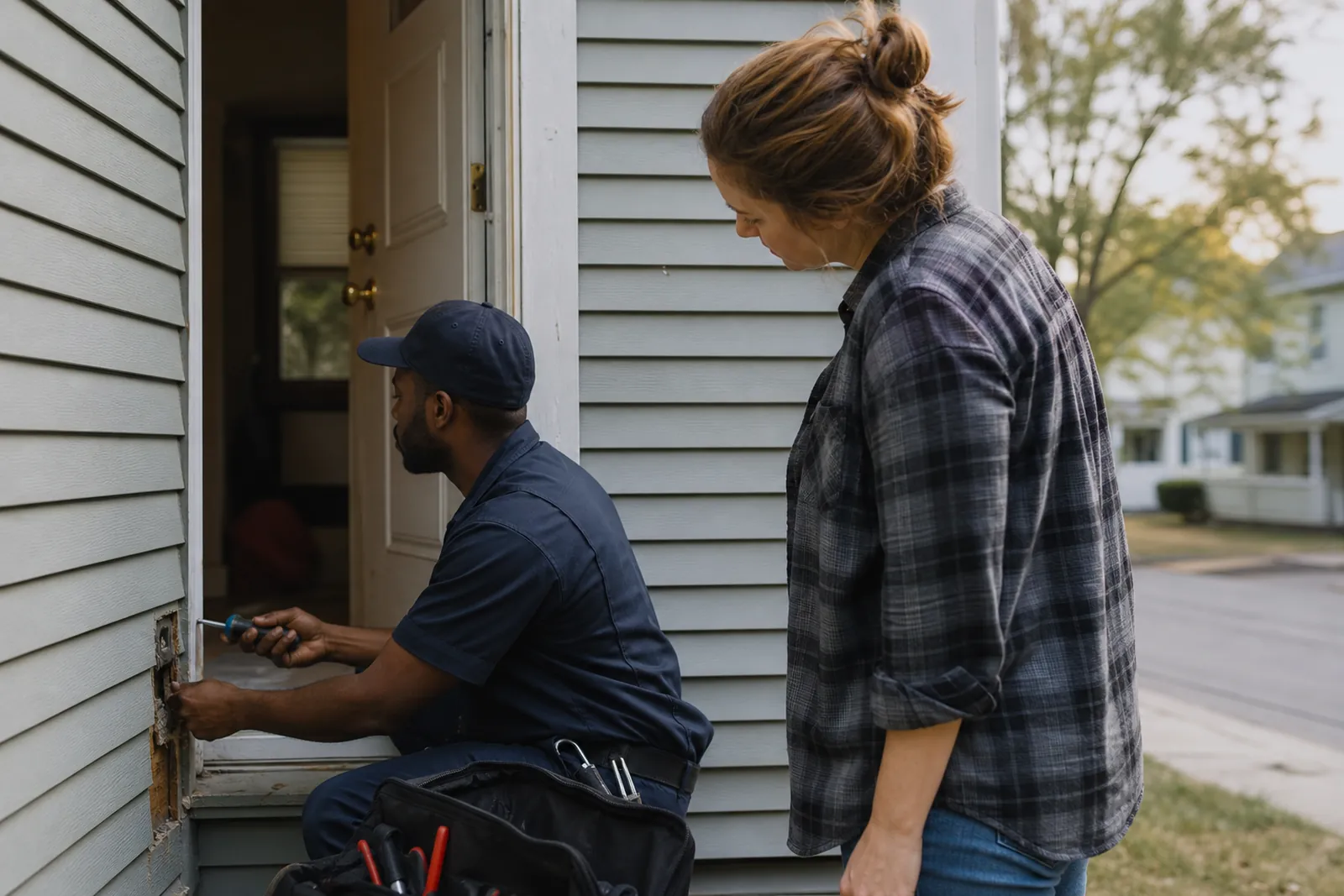
Start with the real work you did there
The fastest way to make a town page believable is to begin with jobs you have already done in that town. Do not open with a long story about your company or a generic promise. Open with the work itself: what you fixed, installed, cleaned, replaced, or serviced there.
Write in plain language. If you are a plumber, say you handled a clogged kitchen line near downtown or replaced a water heater in a home off a main road. If you are a locksmith, say you rekeyed a storefront, helped with a lockout, or replaced a broken deadbolt at a house in that area. If you are a salon, clinic, or other service business, describe the kind of local visit in the same direct way.
You do not need a long list. Three or four real examples are enough to start. The point is not to show off. The point is to prove that the page is about a place you already know through actual work.
- Write the job first, then the town name, not the other way around.
- Use the exact service words your customers use.
- If you cannot name a real job there, stop and gather one before you publish.
Add the roads, places, and patterns people know
After the work examples, add the local details that make the page feel specific. Mention the roads, nearby places, or common routes people use to describe the area. These do not need to be famous spots. They just need to be the kind of names a local person would recognize right away.
Think about how customers talk. They may say they are near a park, a school, a shopping strip, a bridge, a main road, or a busy intersection. That is the level of detail you want. Use a few of those references in a natural way, not all in one block.
Do not try to cram in every landmark you can think of. A town page is not a travel guide. Two or three local references mixed into the service examples is enough to show that the page was written for real people in that area.
- Use road and place names as part of a sentence, not as a list.
- Choose places your customers would actually use for directions.
- Skip anything you only know because it sounds local.
Answer two customer questions, not ten
A good town page should remove a little doubt. The easiest way is to answer two questions people often ask before they call. Pick the questions that match the service and the town, then answer them in a short, direct way.
For example, a homeowner may ask, 'Do you work in my part of town?' A good answer is simple: explain that you serve the town, what kind of jobs you take there, and any common situations you handle. Another question may be, 'Can you come the same day?' If that is something you truly offer at times, say so carefully. If you cannot promise it, say you try to schedule based on the day’s route and the type of job.
You can also answer questions about access, parking, building types, apartment work, older homes, gated communities, or local rules that affect the visit. Choose only the questions that your team hears often. The page should help a person decide whether to reach out, not read like a full FAQ library.
- Use the actual words customers ask on the phone.
- Keep each answer short and calm.
- Do not make promises you cannot control.
Use one good photo and let it do some work
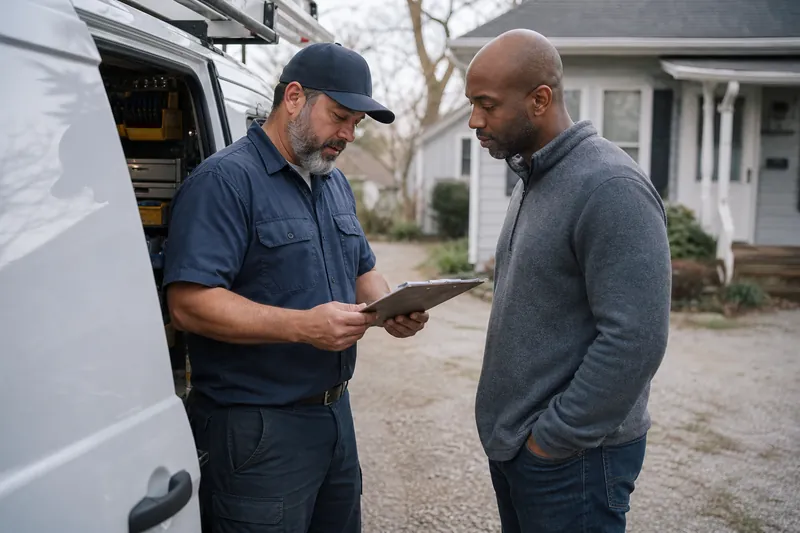
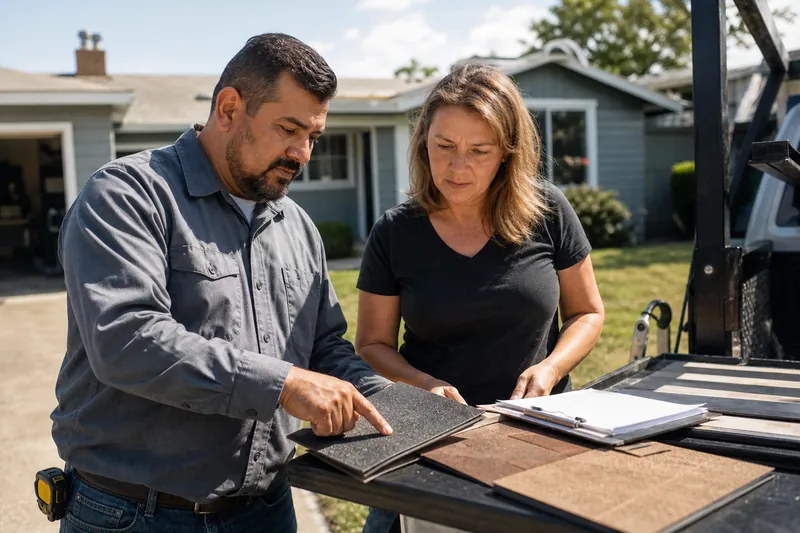
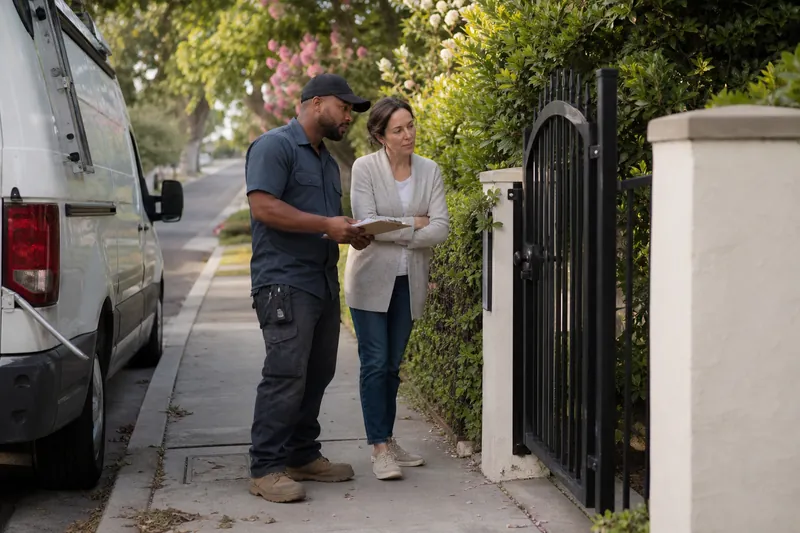
A town page does not need a big gallery. One honest photo can do a lot. Pick a picture from a real job in that town or a nearby job that looks like the same kind of local setting. The photo should feel like a normal day, not a posed team shot in a parking lot.
Good choices include a technician at work, a finished room, a storefront repair, a clean before-and-after view, or a team member carrying tools near a home or business. The image should match the service and the area. If the page is about residential work, do not use a photo that looks like a job site far from town. If it is about local businesses, show a setting that fits that kind of client.
Skip stock photos that could belong to any company in any city. People can feel that difference fast. One real photo builds more trust than three fake-looking images.
- Use a photo from real work when you can.
- Choose an image that shows the kind of place you serve.
- Leave out anything that looks staged or generic.
Write the page in the right order
If you only have an hour, work in this order: first the real jobs, then the local details, then the two customer questions, then the photo. That order keeps you from writing a vague page that never gets specific.
Start by drafting four short parts: a short opening, a paragraph on past work in the town, a paragraph with roads or places, and a short answer to each question. Then read it once and cut anything that sounds like marketing filler. The page should read like a local service note, not a brochure.
The opening should say who the page is for and what kind of work you do there. The middle should prove you have been there. The end should help the reader take the next step with confidence. That is enough structure for one page.
- Draft fast first, then cut the weak lines.
- Keep each paragraph tied to the town.
- If a sentence could fit any other town, rewrite it.
Skip the parts that waste time
A lot of town pages go wrong because they try to sound polished instead of useful. Skip long company history, big claims, wide service lists, and paragraphs that repeat the town name over and over. Readers notice when a page is built from templates, and so does Google.
Do not write a long intro about how much you care about the community if the page never mentions a single street, job, or customer question. Do not pad the page with every service you offer if the page is meant to speak to one town. Keep the focus tight.
Also skip made-up local praise. If you do not have a real customer story from that town, do not invent one. A short real example is better than a polished fake one. If you only have one good job to mention, that is enough for a first draft.
- Cut filler before you worry about word count.
- Use real jobs instead of vague claims.
- Do not force in every service you offer.
Questions owners ask
What should I write first on a town page?
Start with a real job you did in that town. That gives the page a concrete reason to exist and keeps you from opening with generic marketing talk.
How much local detail is enough?
A few roads, nearby places, or common directions is usually enough. You want the page to sound familiar to local people, not overloaded with names.
What if I do not have a job photo from that town yet?
Use the best real photo you have from similar work, as long as it still matches the service and setting. If you can wait for a better image, do that rather than using a fake-looking stock photo.