 Brixel Proyect
Start with the kind of credit you want
Before you say yes to a sponsorship, decide what you want back online. A short mention on the event page is nice. A link to your website is better. A photo of your sign, truck, booth, or team at the event helps too, because it gives you something real to show on your site and social pages.
Do not wait until after the event to think about this. The best time to ask is when you are confirming the support. That way, the organizer can place your name in the right spot and keep your business details handy.
- Ask for your business name to match the way it appears on your site.
- Ask for one link to your homepage or a local service page.
- Ask for a photo you can repost with permission.
Make the ask simple and clear
Keep your message short. You do not need a long explanation. Say you are glad to support the event and ask how your business will be listed online. If they already have a sponsor page, ask if they can link your name to your website.
A simple note works better than a complicated one. You might write, “Thanks for including us as a sponsor. If you have a sponsor page or event recap, could you link our business name to our website? If a photo or short mention is possible too, we would appreciate it.”
If the organizer is a volunteer or a busy parent group, make it easy for them. Send the exact business name, your website address, and one sentence they can use. The less they have to guess, the more likely they are to use the right details.
- Send the website link you want them to use, not a social profile.
- Offer one short sentence they can copy.
- Thank them before and after the event.
Get the mention onto your own channels
Do not rely on the organizer’s page alone. Once the event is live, share the mention on your own site and social pages. This keeps the support visible and gives your customers a reason to see that you are part of the community.
Use a simple post. Say what you supported, where it took place, and why it mattered to you. Keep it honest. If you sponsored a youth team, a charity walk, a school fair, or a local market, say that clearly. Add the photo if you have one.
On Google Business Profile, you can add a post with the event mention or a photo from the day. On Facebook, Instagram, or TikTok, a short recap can work well. On your website, add the same story to a news page or community page so it does not disappear after a few days.
- Use the same business name everywhere.
- Post the photo while the event is still fresh.
- Keep the tone local and plain, not promotional.
Add a small page on your site for community work
If you sponsor events often, give that work a home on your website. A simple community page or news page can hold the event name, a short note, a photo, and a link back to the organizer when possible. This helps people see that your business shows up in the neighborhood.
You do not need a fancy layout. A short heading, a few sentences, and a clean photo are enough. If you serve more than one area, you can group the posts by town or type of event. That makes it easier for a person to scan and helps your own team remember what you supported.
If your site runs on WordPress, this is easy to keep up with. Add one entry each time you sponsor something. Over time, that page becomes a record you can point to when someone asks what kind of local work you support.
- Title each post with the event name and your business name.
- Add the city or neighborhood in the text.
- Keep older posts live instead of hiding them.
Use the right photo and the right words
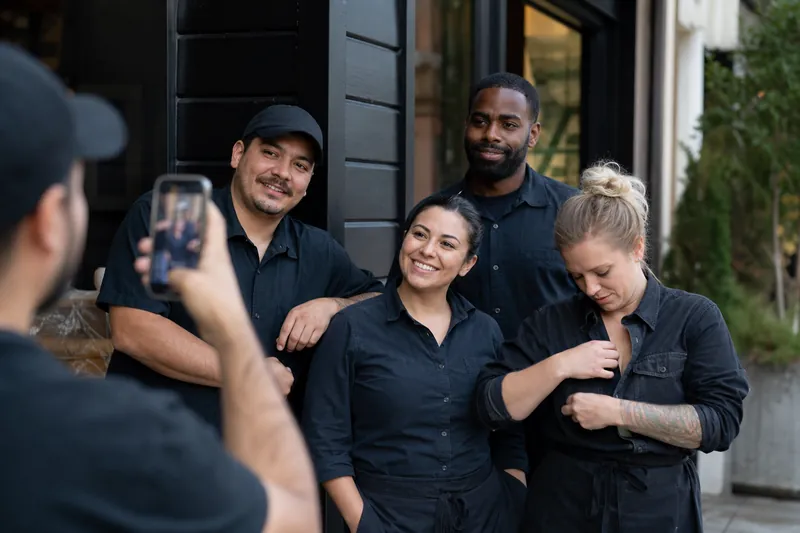
The photo matters. A clear shot of your team at the booth, your truck near the event, or your sign beside the field tells a better story than a random stock image. Real photos feel more believable and help the post feel local.
Write like a person who was there. Say what you sponsored, who you met, or what part of the event stood out. Avoid big claims. You do not need to say the event was amazing or that your business was the star. A calm, direct note feels better and ages well.
If the organizer gave you a logo use policy or a caption request, follow it. If not, keep it simple and respectful. The goal is to show support, not take over the event’s voice.
- Choose one strong photo instead of many weak ones.
- Crop out messy backgrounds if you can.
- Do not use a photo you do not have permission to post.
Keep track of every sponsorship
It is easy to forget where your support went after a busy season. Make a basic list with the event name, date, contact person, website link, and where you posted about it. That way, you can follow up later and ask for the online credit you may still need.
Check the organizer’s page after the event. If your link is missing or your name is spelled wrong, send a polite correction. Most people are happy to fix it if you make the request clear and simple.
This is also a good habit for your whole team. If someone else on your staff helps with sponsorships, have them save the link, the photo, and the copy in one place. That makes it easier to reuse the material next time and keeps the effort from getting lost.
- Save a copy of each sponsor post and photo.
- Check the event page once the recap is live.
- Ask for corrections fast, while the event is still recent.
Questions owners ask
When should you ask for a link from an event sponsor page?
Ask when you confirm the sponsorship, not after the event. That gives the organizer time to place your business name and link correctly. If the page is already live, send a short, polite request with the exact link you want used.
What if the organizer only gives you a name mention and no link?
Take the mention and still post it on your own site. Add the event to a community page, then share the page on your social channels. You can also ask later if they can update the sponsor page with a link once they have time.
Do you need a full blog post for every sponsorship?
No. A short community note with a photo is often enough. If you support the same local group many times, one page can hold several entries. The point is to keep the support easy to find and easy to share.