 Brixel Proyect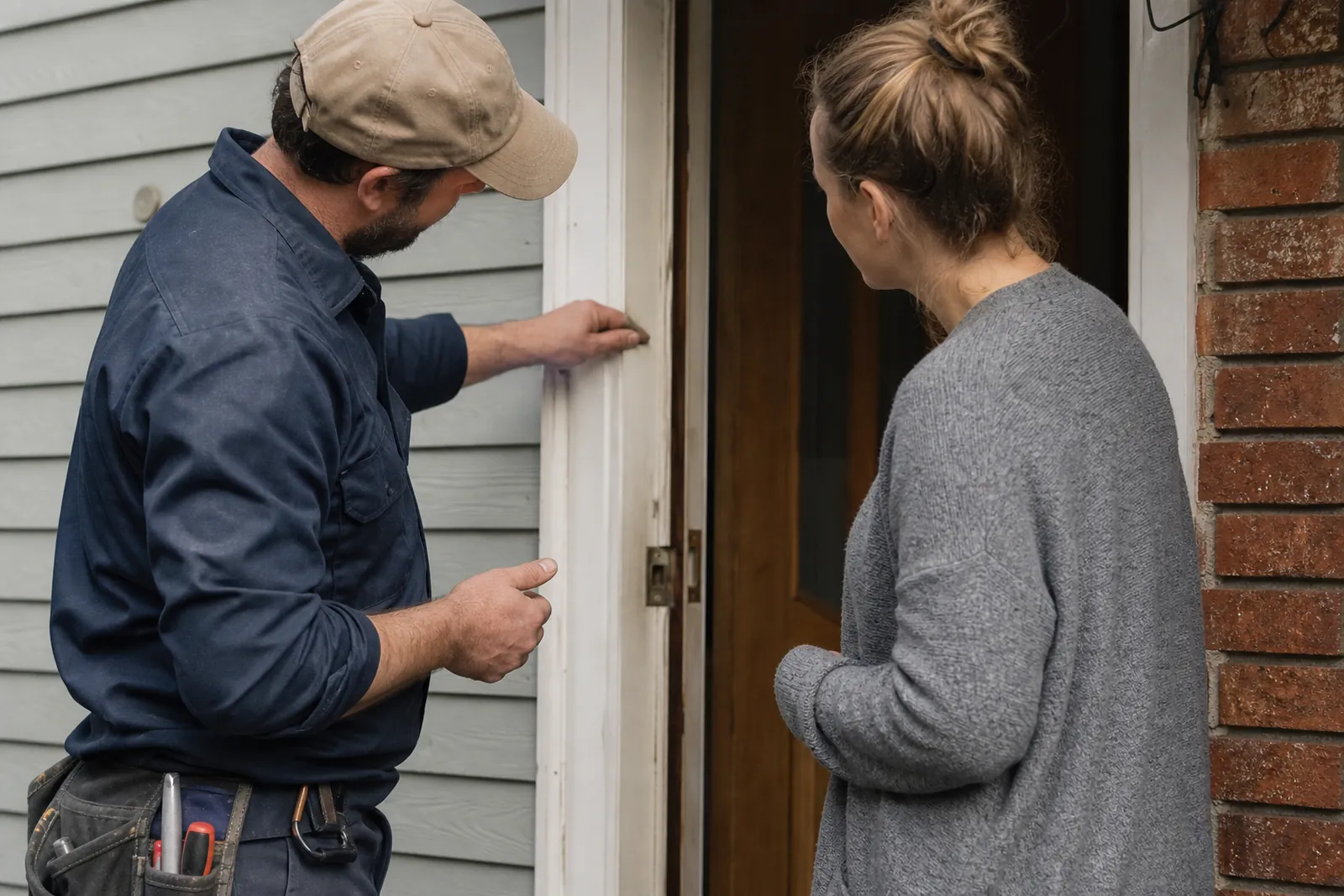
Start with the problem your customer feels
Before you describe your service, name the trouble the person is facing. A clogged drain, a dead lock, a hot room, a cracked wall, a pain in the neck at the sink, or a salon visit gone wrong all start with a real problem. That is the part your reader already understands, so it should come first.
Try writing the first line as if a neighbor asked what is going on. Instead of opening with your method, open with the pain point: water backing up, a door that will not latch, a unit blowing warm air, or a color that came out uneven. When you lead with the problem, people know they are in the right place.
- Write the problem in the same words a customer would use.
- Use one clear example for each service, not a long list of trade terms.
- If the issue has more than one name, choose the common one.
Say the fix in plain language
After the problem, explain the fix without going into shop language. You do not need to name every tool, part, or step. Say what you do in a way that shows the result: clear the blockage, rekey the lock, repair the unit, patch the damage, or clean and shape the hair. Plain words help people picture the work before they call.
If you use trade terms with suppliers, translate them for the site. A pressure test can become a check for hidden leaks. A reline can become a new inner pipe. A tune-up can become a full check and adjustment. The point is not to dumb it down. The point is to make it easy to understand.
- Keep the fix tied to the problem in the same sentence when you can.
- Replace tool names with what the tool does.
- Use short verbs: fix, clear, repair, adjust, clean, replace.
Explain what happens on the day
A lot of service pages stop at the fix, but people still wonder what will happen when you show up. Give them a simple picture of the visit. Say how you start, what you check, what you may need from them, and how you leave the place when the job is done. That lowers stress before the first call.
For example, a locksmith page can say you confirm the issue, look at the lock, talk through the options, and test the new key or hardware before leaving. A clinic page can say you check the concern, explain the next step, and answer questions before the visit ends. A contractor page can say you inspect, protect the area, do the work, and clean up after. This turns a vague service into a process people can follow.
- Describe the visit in the order the customer will experience it.
- Mention cleanup if it matters, because people want to know how you leave the space.
- Say when you will ask for approval before moving ahead.
Use the words your customers already use
You may call something one thing in the shop and something else at the kitchen table. That gap is where a lot of service pages lose people. Read the messages you get, listen to how people talk on the phone, and notice the words they use when they explain a problem. Those words are gold for your site.
If you fix a failing unit, your customer may say the air is not cold. If you handle a deadbolt, they may say the key spins or the lock sticks. If you work on a shower, they may say the water pressure dropped or the handle feels loose. Use those everyday phrases in your headings and first sentences, then move into your own wording after the reader is already with you.
- Keep a short list of common phrases from real calls and texts.
- Match the level of detail the customer gave you.
- Do not force fancy words where simple ones work better.
Show the signs that you know the trade
Plain language does not mean shallow language. You still need to sound like someone who knows the work. You do that by being specific about what you check, what you fix, and what can go wrong if the issue gets ignored. The reader should feel steady, not talked down to.
For example, a page for a contractor can mention water stains, soft spots, loose flashing, or failing caulk. A page for a salon can mention split ends, uneven tone, overprocessed hair, or a style that needs shape. A page for a clinic can mention pain, swelling, or a concern that needs a closer look. These details show experience without making the page hard to read.
- Choose a few trade details that matter to the customer.
- Avoid long strings of technical words in a row.
- Use detail to build trust, not to show off.
Make every service page follow the same pattern
A simple pattern helps people find what they need fast. You can use the same order on every page: problem, fix, what happens on the day, and what to expect next. When readers see that pattern over and over, they spend less time guessing and more time deciding if you are the right fit.
This also helps you write faster. Once you have one good page, you can use it as a model for the rest. Swap in the right problem, the right fix, and the right visit steps, then trim anything that sounds stiff. If you need help shaping the language for your site, we at Brixel Proyect often start with the words your customers already say and build from there.
- Keep page structure steady so people know where to look.
- Use the same kind of language across all service pages.
- Read each page out loud and cut anything that sounds like a brochure.
Questions owners ask
Should I avoid all trade words on my site?
No. Use trade words when they help, but explain them in plain language right away. If a customer would not know the term, add a short translation or use a simpler phrase.
How long should a service description be?
Long enough to answer the main questions and no longer. If the page covers the problem, the fix, and what happens on the day, you are usually on the right track. Cut anything that repeats the same point.
What if my service has too many steps to explain simply?
Break it into stages the customer can follow. Group the details under the bigger steps, then leave out the parts that only matter inside the trade. The goal is clarity, not a full manual.