 Brixel Proyect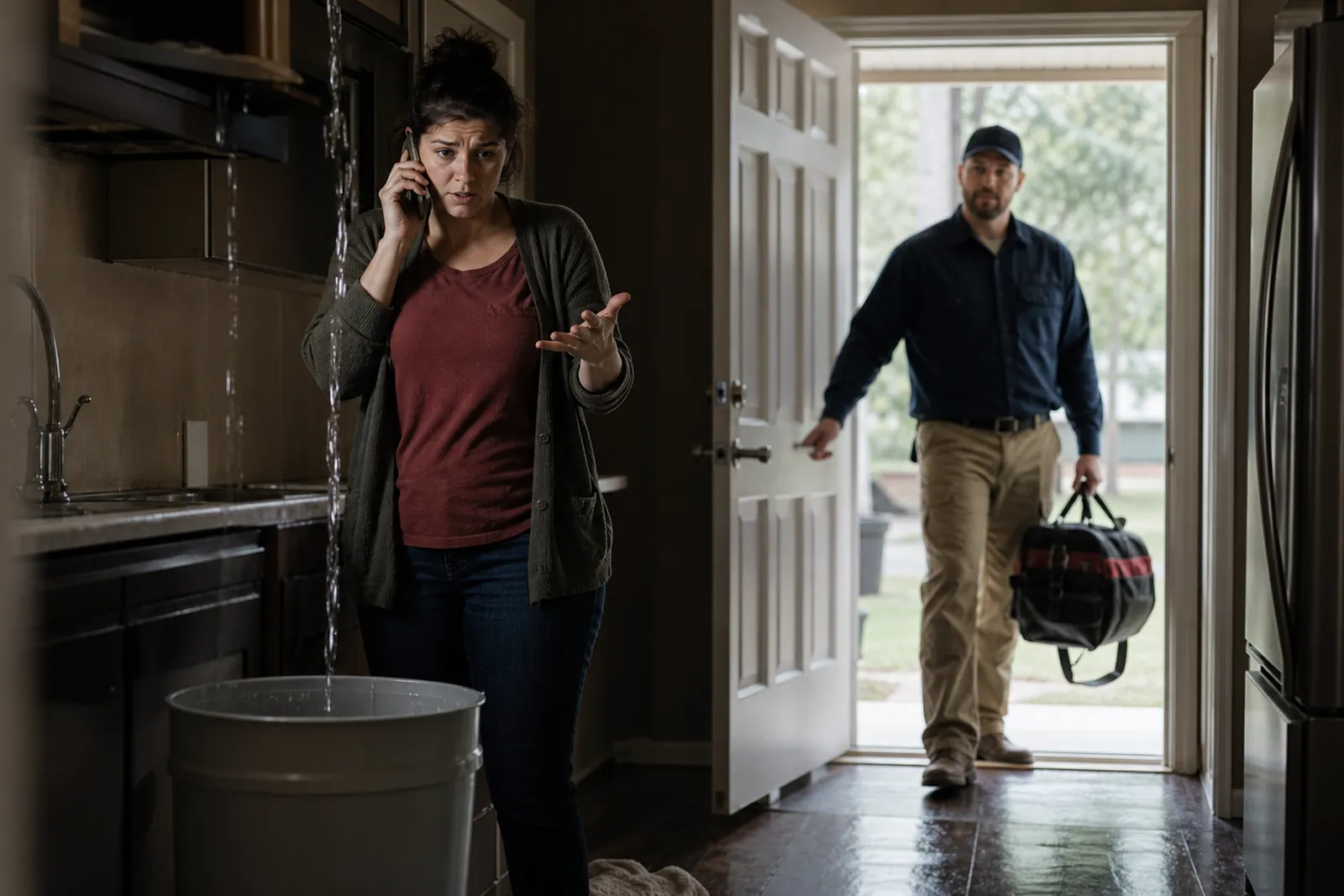
Start with the phone number and the next step
When someone lands on an emergency page, they are not browsing. They want a number they can tap right away and a clear line that tells them what to do next. Put the call button near the top, repeat the number again lower on the page, and make it easy to spot on a phone.
Do not make them search for a contact form first. In an emergency, people are often upset, wet, locked out, or tired. The page should say something simple like: Call now for help, or if you cannot call, send a short text with your name, address, and what is happening.
If your business takes night calls, say so in plain words. If you do not answer every hour of the night, say how you handle after-hours calls. A clear message is better than a vague promise that sounds good but leaves people guessing.
- Use one clear phone number, not a list of office lines.
- Put the call action at the top and again after the main details.
- Keep any text instructions short and easy to follow.
Tell people what to do right now
A good emergency page does more than ask for a call. It helps the person stay safe and avoid making the problem worse while they wait. Give short, practical steps that fit your trade.
For a plumber, that might mean closing the main water shutoff, moving items away from the leak, and staying away from standing water near outlets. For a locksmith, it might mean checking all doors and windows before trying more force, or finding a safe place nearby while waiting. For an HVAC business, it might mean turning the system off if it is making strange noises or smelling burnt.
Keep these steps calm and direct. You are not writing a manual. You are giving the person enough help to get through the next few minutes without panic.
Avoid long warnings or technical language. People in a rush skip over walls of text. Short lines and plain verbs work better than a full explanation of how the repair will be done.
- Write steps by situation, not by part names.
- Use verbs like turn, close, move, check, call.
- Keep the advice safe and simple.
Make your coverage area easy to scan
One of the first things a night caller wants to know is: do you come here? Put your towns, neighborhoods, and main service area in a way that is easy to scan. Do not hide them in a footer or bury them in a long paragraph.
If you serve a few nearby towns at night, name them clearly. If you cover a wider area during the day but a smaller area after dark, say that too. People would rather hear a direct answer than assume and call the wrong company.
You can also use plain examples of areas you reach. If you work in Miami, that might include nearby neighborhoods, parts of the county, or the cities you regularly serve. Keep it honest and specific. Do not stretch your map just to look bigger.
If your team only handles emergencies in certain locations after hours, say which ones. That saves time for both sides and avoids a call that goes nowhere.
- List the places you truly serve at night.
- Separate day coverage from after-hours coverage if they differ.
- Use names local people already use for their area.
Explain what counts as an emergency for you
Not every urgent call means the same thing. Your page should help people decide if their problem fits your emergency service. This saves time and keeps the caller from guessing.
For example, a broken pipe, no heat on a cold night, a jammed lock with someone outside, or a sudden loss of power to part of the home may count. A small drip, a loose handle, or a tune-up request usually does not need the same treatment.
You do not need to list every possible problem. Just name the kinds of jobs you take after hours and the ones that can wait until morning. That line helps people choose the right time to call and gives your team a better call.
If you handle only certain emergency jobs, say that plainly. A lockout page should not sound like a full home repair page. A plumbing emergency page should not try to cover every trade under one roof.
- Name the urgent problems you do handle.
- Say what can wait until regular hours.
- Do not blur your service into something you do not offer.
Use details that build trust without slowing the page
A person in trouble wants confidence, but they still need speed. Add a few trust details that matter in a real emergency: who answers, what info to have ready, and what happens after they call.
You might say that a person should have the address, a short description of the problem, and any safety issue ready before calling. You can also explain that someone will tell them the next step, such as staying put, turning something off, or waiting for a technician to arrive.
If your team works nights, explain the handoff in a simple way. People feel better when they know their call did not disappear into a voicemail box. If you use a shared phone or answering service, be upfront about how it works.
Keep this part short. The goal is not to tell your whole company story. The goal is to remove doubt and help the person feel that someone is ready to take the call.
- Tell callers what information to have ready.
- Explain what happens after the call in plain words.
- Do not overload the page with company history.
Write for the middle of the night, not for a calm afternoon
The tone of an emergency page matters. Someone reading it at two in the morning is not patient with polished marketing language. They need calm words, short paragraphs, and a page that feels like a person is on the other side.
Use direct sentences. Break the page into small sections with clear headings. Let the most useful details sit near the top so the reader does not have to scroll through a story before finding the number or the service area.
Do not add jokes, hype, or long sales copy. Do not tell people you are the best, fastest, or most trusted. Those lines can sound empty when someone is worried. Simple and steady usually works better.
This page should also be easy to update. If your after-hours number changes, or you stop serving a town at night, you should be able to fix the page quickly. A stale emergency page creates more stress than no page at all.
- Keep sentences short and calm.
- Use clear headings that match what the reader is thinking.
- Review the page any time your night coverage changes.
Questions owners ask
Should an emergency page have a contact form?
It can, but it should not be the main path. In an emergency, a tap-to-call number belongs first. A short form can sit lower on the page for people who cannot call, but it should never be the only option.
What if I only take certain emergency jobs at night?
Say that plainly. List the kinds of calls you do take and the ones you do not handle after hours. That helps the right people call you and keeps the wrong calls from eating up your time.
How much detail should I put on the page?
Enough to help someone act, not enough to slow them down. Cover the number, the next step, the jobs you handle, and the places you serve. Save the rest for daytime pages or follow-up calls.