 Brixel Proyect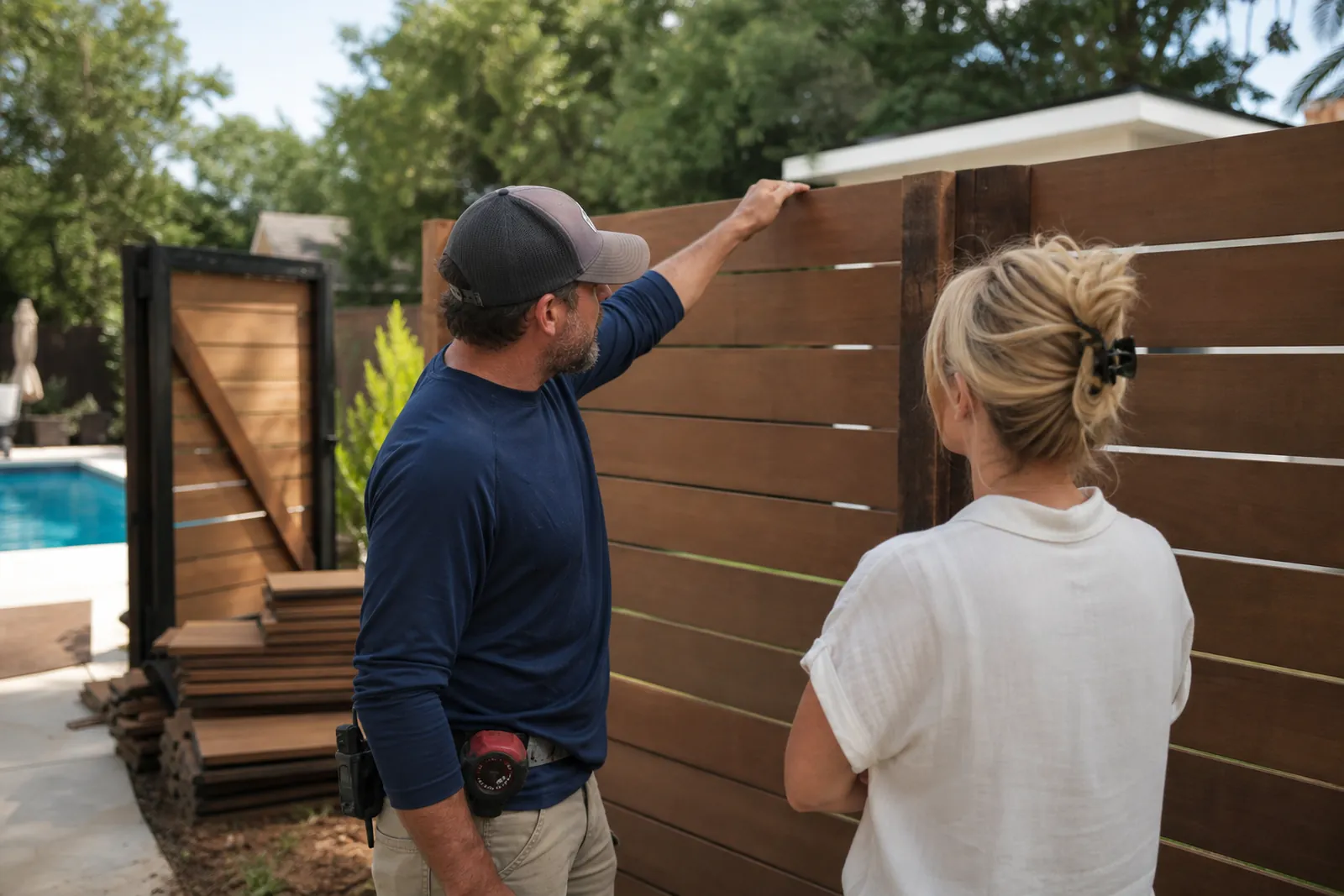
Start with the fence types people actually search for
Many fence sites try to sound broad and end up saying very little. A better approach is to name the fence types people already have in mind: wood, vinyl, aluminum, chain link, and privacy fence work. If you install ornamental metal, sliding gates, or pool barriers, give each one its own page or at least its own clear section.
Do not hide the materials behind vague wording like "custom fencing solutions." A homeowner with a broken side yard fence or a landlord replacing a back lot barrier wants fast confirmation that you work with that material. Put the material name in the page title, the opening paragraph, and a few image captions so the page matches the search.
- Use plain labels like wood fence, vinyl fence, and chain link fence.
- Add a short note under each material about common uses.
- Show both new installs and replacement work.
Build pages for privacy and pool fences
Privacy fences are often about more than looks. People want less visibility, more quiet, and a better boundary for pets or kids. Your privacy fence page should explain fence height options in simple terms, list common materials, and show examples with full coverage, partial coverage, and tighter board spacing.
Pool fence pages need careful wording. Homeowners are usually looking for safety, gates that close properly, and a design that fits the yard. You do not need to act like a code office, but you should say that pool fence needs can vary by property and local rules, and that you can help with a layout that fits the space. That gives the visitor a next step without overpromising.
- Show privacy fences in back yards, side yards, and around patios.
- Include photos of pool fences with gates and clear access paths.
- Mention pets, kids, and visibility concerns in simple language.
Make HOA rules and property lines easy to understand
Fence buyers often feel stuck between what they want and what their neighborhood allows. A helpful site addresses that head-on. Create a page or section about HOA rules, permit questions, and property lines. Use wording that says you can help clients plan around common approval steps, but that the owner should confirm the final rules with the HOA or local office.
Property line questions come up a lot when a fence replaces an old one or runs near a neighbor's yard. Your site should explain that a fence contractor can help with layout, but the owner should know where the line is before work starts. That kind of honest guidance lowers friction and helps people trust you. It also saves back-and-forth messages from people who are not ready to move ahead.
- Add a short FAQ about HOA approval and setback questions.
- Say who is usually responsible for confirming the property line.
- Use simple phrases like "before we build" and "before you buy materials."
Show your work in a gallery people can sort
A fence gallery should do more than look pretty. It should help people find work that matches their yard, their home style, and their area. Organize the gallery by fence style first, then by town or neighborhood if you serve more than one place. That way someone in Coral Gables or Kendall can find work that feels local without digging through every image.
Each gallery image should have a short caption that says what the fence is made of, what style it is, and where it was installed. A plain caption like "white vinyl privacy fence in a side yard" tells a lot more than "project one." You can also group photos by use case: front yard, back yard, pool area, side property line, and commercial lot. That makes the gallery useful for people who are still deciding what they need.
- Group photos by style, then by town.
- Use captions that name the material and setting.
- Include before-and-after pairs when you have them.
Write service pages that answer buying questions
A good fence site does not just show the finished product. It also answers the questions people ask before they reach out. Give them simple sections on how the process works, what the crew needs before install day, and what can change the plan, such as slope, old posts, drainage, or tight access. Keep the wording direct and avoid sales talk.
You should also explain repair versus replacement. Many owners do not know if they need a new section, new posts, or a full tear-out. A short page on fence repair can help with that. Add examples like leaning wood sections, rusted chain link, loose gates, or damaged privacy boards. When people can compare their issue to what you show, they are more likely to call with the right request.
- List the common reasons people replace a fence.
- Add a repair page for smaller fixes.
- Explain what can slow down a job without sounding alarmist.
Make contact easy and keep the site local
Your contact page should feel simple and local. Put the service area near the top, and make it clear if you focus on homes, apartment properties, or commercial lots. Use plain calls to action like "send a photo" or "ask about your yard" instead of long marketing lines. A fence buyer often has a quick question and wants to know if you can work with the space they have.
For local trust, connect the website with Google Business Profile and keep your Google Search Console data in mind when you review which pages get attention. If one material page or one town page gets the most views, that is a clue about what people near you want. A small studio like Brixel Proyect can help set up that structure, but the real win is giving visitors a site that answers their question fast and shows work that looks like their own property.
- Put the phone number and a short form on every main page.
- Mention the towns you serve in plain language.
- Make sure each service page has one clear next step.
Questions owners ask
Should my fence website list every material on one page or give each one its own page?
If you install several common materials, separate pages usually work better because each one can speak to a different need. A wood fence buyer, a vinyl buyer, and a chain link buyer are not looking for the same details. If your site is small, you can start with one main services page and then add the most requested materials first.
How much should I say about HOA approval and permits?
Say enough to help people know the step exists, but do not act like you are the approving office. A simple note that HOAs and local rules may affect fence plans is enough. Then tell the visitor you can help plan the job once they confirm the rules for their property.
What makes a fence gallery actually useful?
Useful galleries are easy to sort and easy to understand. Group photos by style and town, and add captions that name the material, location type, and use case. People should be able to look at the gallery and quickly think, "That looks like my yard."