 Brixel Proyect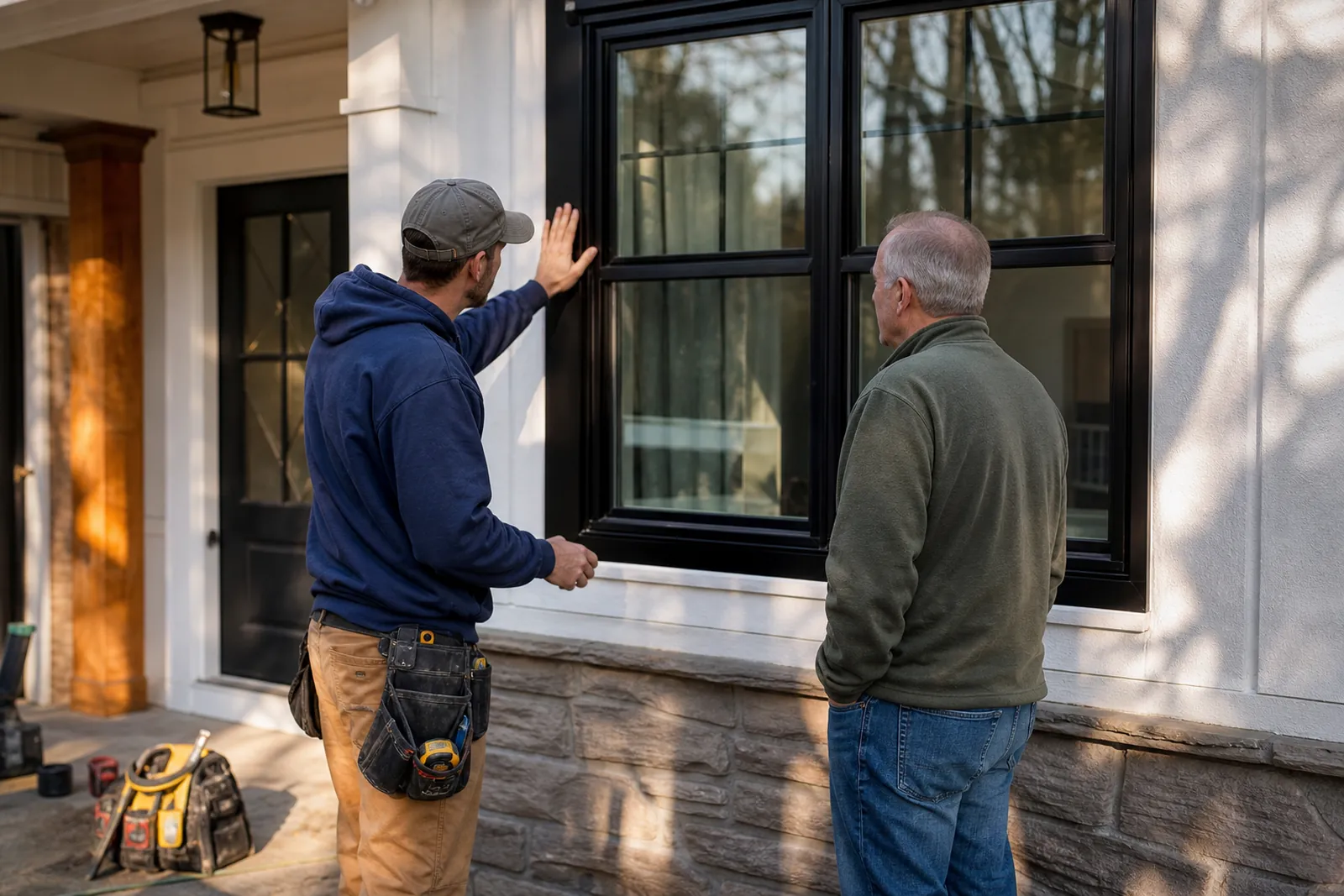
Start with the questions homeowners bring to the page
People looking for impact windows are usually not browsing for fun. They are trying to protect a home, understand a messy process, and figure out what kind of project they are about to sign up for. Your site should meet that mindset right away.
The first page should answer the basics in plain language. What do impact windows do? What parts of the home do you work on? Do you help with replacement only, or also new installs? Do you handle single openings, whole-home projects, or both? Say it clearly and early.
Do not make visitors hunt through vague service labels. A homeowner should be able to tell in a few seconds if you work with their type of house, their type of window, and their type of job. If you serve coastal homes, older homes, or renovations, say that.
Use words your customers use. Talk about impact windows, storm protection, noise reduction if it applies, and energy comfort only when you can explain it simply. Skip jargon unless you define it.
- Write one short service summary near the top of the home page.
- Add a plain list of the home types and projects you handle.
- Use a simple line that says how people usually get started.
Explain the process before someone has to ask
A big reason people delay a call is uncertainty. They want to know what happens after they reach out, how much of the home gets involved, and how long the project may take in practice. Your website should make the path feel familiar.
Give readers a step-by-step overview. For example: first contact, on-site visit, measurements, product selection, permit work if needed, order and scheduling, installation, and final walkthrough. Keep each step short and honest.
If your process changes for different jobs, say so. A simple window replacement in one home is not the same as a larger project in a condo, older house, or remodeled property. The page should explain that the exact process depends on the home and local rules.
Include what the homeowner needs to do, too. Do they move furniture away from the window area? Do they need to be home? Should pets be secured? A few practical notes make your company look organized and lower the chance of confusion later.
- Create one page called “How the project works.”
- List what happens before installation day and what happens after.
- Mention that each home is different, so final steps can vary.
Handle permits, approvals, and code questions clearly
Permit questions come up fast with impact windows, and many homeowners do not know who handles what. If your team helps with permits, explain that in a direct way. If the homeowner needs to be involved at any point, say where and when.
Do not try to sound certain about every city or every home. Local rules can change, and some jobs need more review than others. A good website says that permit requirements depend on the location and scope of the work, and that your team helps guide the process.
This page should also cover code-related concerns in a calm way. Homeowners want to know that the windows meet the right standards for their area and that the work is done the right way. Explain how you approach that without making promises you cannot control.
If you work in more than one city, make a location page or a local section for each main area. A homeowner in one neighborhood may need different permit support than someone in another. That kind of detail builds trust because it shows you understand local work.
- Add an FAQ line about who pulls permits.
- Say that local requirements can vary by city or job type.
- Explain that you help guide the paperwork instead of leaving people guessing.
Show product lines in a way people can compare
Many window sites list products like a catalog and stop there. That is not enough for a considered purchase. Your visitors need to understand the differences between options so they can ask better questions.
Group products by use, not just by model name. For example, you might explain windows for replacement projects, windows for full-home upgrades, and windows suited for certain styles of house. If you offer different frame colors, glass options, or opening styles, group them in a simple way.
For each product line, describe who it fits, what it is good for, and what the homeowner should think about before choosing it. A short note about maintenance, appearance, and airflow can help more than a long technical list.
Use real photos from real jobs when you can. Show different home styles, different finishes, and both inside and outside views. People trust what they can picture in their own home.
- Make one page for product comparisons instead of hiding options in a menu.
- Explain the choice, not just the label.
- Use photos that show scale, trim, and finished appearance.
Answer insurance and financing questions without sounding slippery
Some homeowners are dealing with storm damage, while others are planning ahead. Either way, they often have questions about insurance and payment options before they speak with anyone. Your site should not dodge those questions.
If you help with insurance-related work, say what that means in plain English. For example, do you provide estimates, inspection notes, or job paperwork? Make clear what you do and what the homeowner should confirm with their carrier.
If you do not handle insurance claims, say that too. A clear no is better than a confusing maybe. People appreciate honesty when they are comparing companies.
You can also explain how you approach payment timing in broad terms without turning the page into a finance pitch. Keep it simple: what is discussed upfront, what is confirmed before work starts, and what the homeowner can expect during the project. That kind of clarity keeps the sales call focused on the job itself.
- Add a short insurance FAQ on the service page.
- Say what paperwork you provide, if any.
- Be clear about what you do not handle.
Build pages that do the selling before the call
Your site should not wait for the sales call to explain the job. The best pages answer common concerns so that the call can focus on the home, the openings, and the next step. That is easier for everyone.
At minimum, build a home page, a main service page, a process page, a product page, and an FAQ page. If you serve more than one area, add location pages that speak to each local market in a natural way.
A strong FAQ page for impact window work might cover who needs a permit, how long the process tends to involve the home, what the homeowner should prepare, whether insurance paperwork is part of the job, and how product choices are made. Keep each answer short and useful.
Also include trust pages that make sense for a service business. Show real project photos, describe your team in plain language, and explain how you handle estimates and communication. If you have reviews, place them where they support the buying decision instead of burying them on one lonely page.
When a visitor reaches out, they should already know if your work fits their home. That makes the conversation better and cuts down on back-and-forth. At Brixel Proyect, we usually build these pages around the questions people ask before they are ready to talk.
- Make one FAQ page that covers the awkward questions.
- Add location pages only where you truly work.
- Use project photos and clear service language on every main page.
Questions owners ask
What should an impact window website answer first?
Start with what you do, where you work, and what kind of homes or jobs you handle. Then cover the process, permits, and the main product choices so visitors can tell if they are in the right place.
Should we explain permits on the website?
Yes. Homeowners worry about permits and approvals, so a clear explanation helps. Say whether your team helps with the paperwork and note that local requirements can vary.
Do we need a separate page for each product line?
Not always, but visitors do need a way to compare options without guessing. If you offer several types of windows or finishes, a comparison page or a grouped product page is usually easier to use than one long list.