 Brixel Proyect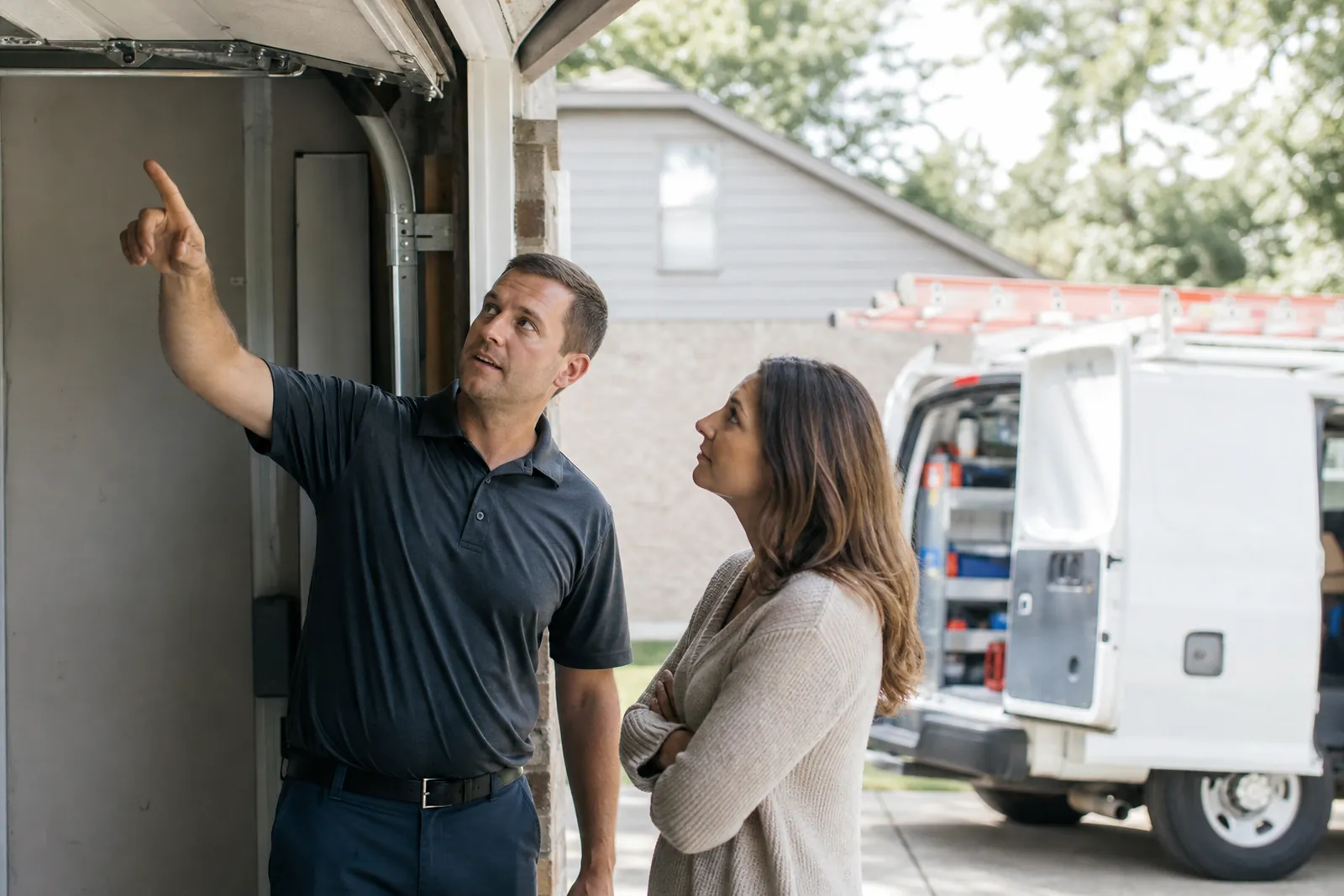
Lead with the emergency people feel right away
A lot of garage door calls start with the same feeling: the car is trapped, the door will not open, or the door is hanging at an odd angle. Your homepage should speak to that moment first. Make it plain that you help with stuck doors, broken springs, off-track doors, noisy openers, and doors that will not close.
Use short, calm wording. People in a rush do not want a long intro about your company history. They want to know if you can come out, what kind of problem you handle, and how to contact you. Put the main contact option near the top, then repeat it after the service list and again near the bottom.
- Say what you fix in plain words, not trade jargon.
- Put emergency help at the top of the page.
- Make the phone number or contact form easy to spot on mobile.
Build service pages around springs, openers, and common failures
Garage door work is not one service. Springs, openers, rollers, cables, tracks, panels, remotes, and sensors all create different problems and different questions. If your site only has one service page, you miss a chance to match the way people search and the way they describe the issue.
Give each major job its own page or at least its own clear section. On a spring page, explain the signs of a broken spring, what not to do, and why a door may feel too heavy to lift. On an opener page, explain symptoms like grinding, clicking, or a door that starts then stops. Keep the wording focused on the problem and the fix, not the parts list alone.
- Use the words people say at home: spring, opener, cable, track, remote.
- Explain what the customer may notice before the repair.
- Add a simple next step at the end of each page.
Be careful with same-day claims
Same-day service can help if you can truly offer it, but the page should not sound bigger than your real schedule. Do not promise every call gets handled the same day if that depends on how busy the day already is. Say what you can do: same-day appointments when available, emergency help for stuck doors, or fast arrival in your main service area.
This is also a good place to explain what counts as urgent. A door stuck open, a broken spring, a vehicle trapped inside, or a door that will not close at night are all situations people tend to treat as urgent. If you can take those calls after hours, say so clearly. If you cannot, say when you are open and what the customer should do until you arrive.
- Use careful language that matches your schedule.
- Separate urgent help from regular maintenance.
- Tell people what to do if the door is unsafe to use.
Show the towns you really reach within the hour
Local coverage matters for garage door work because many jobs cannot wait long. If you say you serve a whole county, that may sound broad but not useful. People want to know if you reach their neighborhood soon enough to help with a stuck door. Create a local coverage page or a clear area section that lists the towns, neighborhoods, and nearby cities you actually serve.
Use natural wording, not a giant keyword pile. A page can say you serve Miami, Hialeah, Doral, and nearby communities, then mention that you handle homes and small businesses within your regular route. If there are places that take longer to reach, say that too. Honest coverage text helps set the right expectation and keeps calls from the wrong areas down.
- List only the towns you can truly cover.
- Add nearby areas people ask about most often.
- Use plain local language instead of a long map of names.
Create brand pages for the door and opener names you see often
Many customers call with a brand name they saw on the opener, the door label, or an old invoice. If your team works on the brands you see most often, give those names their own pages. A brand page can say that you service, repair, or replace common parts for that brand, and it can explain the kinds of issues you handle without sounding boxed in.
This helps when someone searches with a specific name and a problem, like a door that will not respond or an opener that has stopped working. Keep the wording honest. If you do not handle a certain brand or model often, do not build a page around it just to fill space. A smaller set of clear, accurate pages is better than a pile of thin pages.
- Focus on the brands you really see in your service area.
- Mention common symptoms, not just the brand name.
- Keep each page distinct so it does not repeat the others.
Make trust easy to see without making the page feel busy
Garage door work has a safety side, so trust signals matter. Show who you help, what kinds of jobs you take, and what people can expect during a visit. A short explanation of your repair process can calm a lot of worry. Tell people if you inspect the door first, explain the issue before work starts, and clean up after the repair is done.
Photos help, but keep them real. Show your team at a home garage, a service van at a jobsite, or a technician working on a door in daylight. Avoid stock photos that look fake or overly posed. If you have reviews, use a few short quotes that sound like real customers, not marketing copy. The goal is to sound steady and reliable, not flashy.
- Show your process in plain steps.
- Use real photos from actual jobs.
- Pick a few honest reviews and place them where people decide to call.
Questions owners ask
Should my homepage focus on repairs or replacements?
Start with repairs, since many callers are dealing with a sudden problem and want the door working again. Then add a clear replacement section for doors that are too damaged, too old, or no longer safe to keep repairing. That way you answer both types of calls without forcing one path.
How many service pages do I really need?
Start with the jobs you handle most often: springs, openers, tracks or cables, and full door replacement if that is part of your work. If a topic gets repeated calls or questions, it probably deserves its own page. Do not add pages just to look bigger; add pages that help people choose the right service.
What should I say if I cannot always do same-day visits?
Say that same-day appointments are available when your schedule allows, and explain how urgent calls are handled. People respect clear limits more than vague promises. If you can offer priority service for trapped cars or doors that will not close, explain that process in simple terms.