 Brixel Proyect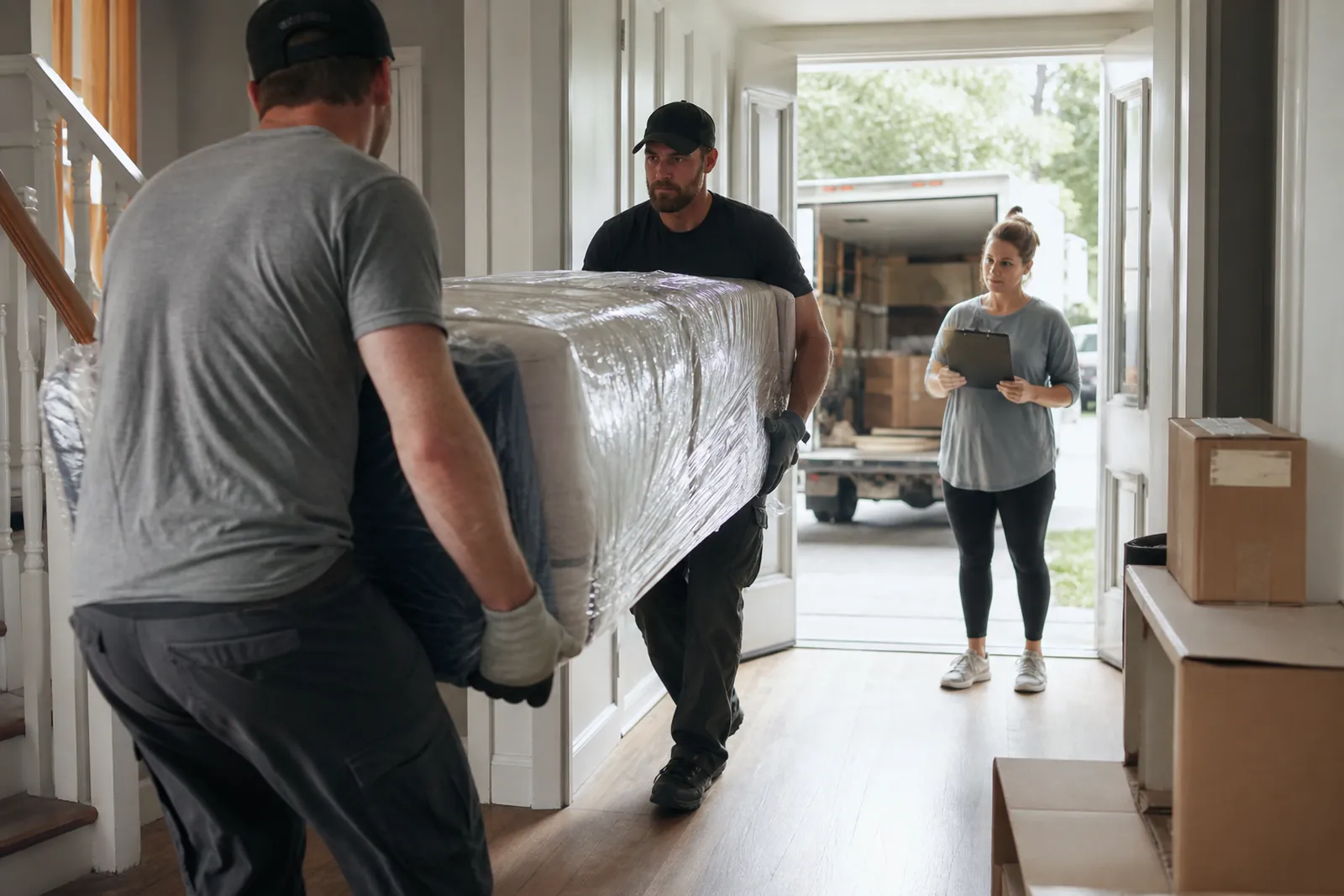
Start with the kind of move you really want
A moving website should make it plain who you serve. Local moves and long-distance moves are not the same job, and your site should not blur them together. People looking for a short apartment move want different details than someone moving a house across state lines.
Create separate pages or clear sections for local moving, long-distance moving, packing help, and storage if you offer it. On each page, explain the type of move, what is included, and what you need from the customer before moving day. Keep the language simple. A visitor should know in one quick scan if you can handle their move.
- Put your main service on the home page near the top.
- Use plain words like local move, apartment move, home move, office move, and long-distance move.
- Do not make visitors guess what area or type of move you handle.
Make the quote process match how moving really works
Movers often price jobs based on inventory, access, distance, and labor. Your site should explain that without making the process feel heavy. A good quote page helps people understand what information you need and why you ask for it.
Ask for the basics: move date, pickup and drop-off addresses, type of property, stairs or elevator access, and a simple inventory list. You do not need a giant form. You need the right details. If you take photos or a video walkthrough, say so and explain how to send them. That can help both sides avoid surprises.
- Use a short form first, then ask for more details if needed.
- Let people know what items affect pricing, like pianos, safes, or large furniture.
- Explain when a phone call is better than a form.
Build trust before someone hands over their home
Moving is a trust business. People are asking strangers to pack, lift, and carry the things they care about most. Your website should answer the questions that make them hesitate.
Show who will do the work, how you train them, what kinds of protection you use, and how you handle damage claims if that applies. Add clear photos of your team, your trucks, and your packing work. Write in a calm, direct way. Avoid hype. A homeowner wants to know you will show up on time, handle items carefully, and speak to them like a neighbor.
- Put crew photos on the site, not just truck photos.
- Show packing methods, blankets, dollies, and wrap in real use.
- List the basics of how you handle fragile items and heavy items.
Use pages by town and neighborhood the right way
If you serve more than one town, build location pages that feel local instead of copied. A page for one area should mention nearby streets, common housing types, or the kinds of moves you do there. A page for a neighborhood can be shorter, but it still needs useful local detail.
Do not paste the same page over and over with only the town name changed. That looks lazy to visitors and gives them little reason to stay. Instead, talk about the access challenges in that area, common home types, parking or building rules you often see, and the move types you handle there. If you serve many areas, group nearby towns in a smart way so the site stays easy to use.
- Write each location page for a person who lives there.
- Mention local apartment buildings, condos, single-family homes, or office areas when it fits.
- Add a clear service area list on one page so visitors can confirm coverage fast.
Show the details people ask about before they book
A strong mover website answers the small questions that stop people from reaching out. What days do you work? Do you handle evenings? Can you move one item or only full homes? Do you help with packing materials? Can you move delicate furniture, appliances, or office equipment?
Put these answers in plain sight. A good FAQ section on the site can save calls and build confidence. Use short answers. If a service has limits, say so clearly. It is better to lose a bad fit early than to surprise someone on moving day. Also make your contact details easy to find on every page so people can call or send a quote request without hunting.
- List the item types and job sizes you do handle.
- State any job minimums in simple language if you have them.
- Make your phone number and quote form easy to find on mobile.
Write copy that sounds calm, direct, and human
People looking for movers are often under stress. They may be leaving a place they loved, starting a job, or trying to make a tight move work. Your words should lower stress, not add to it. Short sentences help. So do clear headings, plain lists, and photos that show real work.
Avoid generic claims like being the best or fastest. Instead, explain how you work: careful packing, clean trucks, clear arrival windows, upfront communication, and respectful crews. Use the same tone across the site, from the home page to the quote page to the neighborhood pages. When the site feels steady and honest, it helps people picture a smooth move.
- Read every page out loud and cut awkward phrases.
- Replace broad claims with specific actions your crew takes.
- Keep the tone friendly, not pushy.
Questions owners ask
Should a moving company put prices on the website?
Only if you can keep the pricing clear and honest. Many moves depend on inventory, access, distance, and other details, so a quote request may work better than fixed pricing. You can still show what affects the price and give examples of common jobs if that helps people understand how you work.
How many location pages does a mover need?
Enough to cover the towns and neighborhoods you serve well, but not so many that the site feels thin or copied. Start with the places you get the most calls from and the areas you know best. Each page should add something real about that area, not just swap in a new place name.
What should a mover show to build trust online?
Show your crew, your trucks, and how you handle the work. Add clear explanations of packing, heavy-item handling, and how you communicate before and during the move. People want to know that their things will be treated with care and that the team will speak clearly and show up prepared.