 Brixel Proyect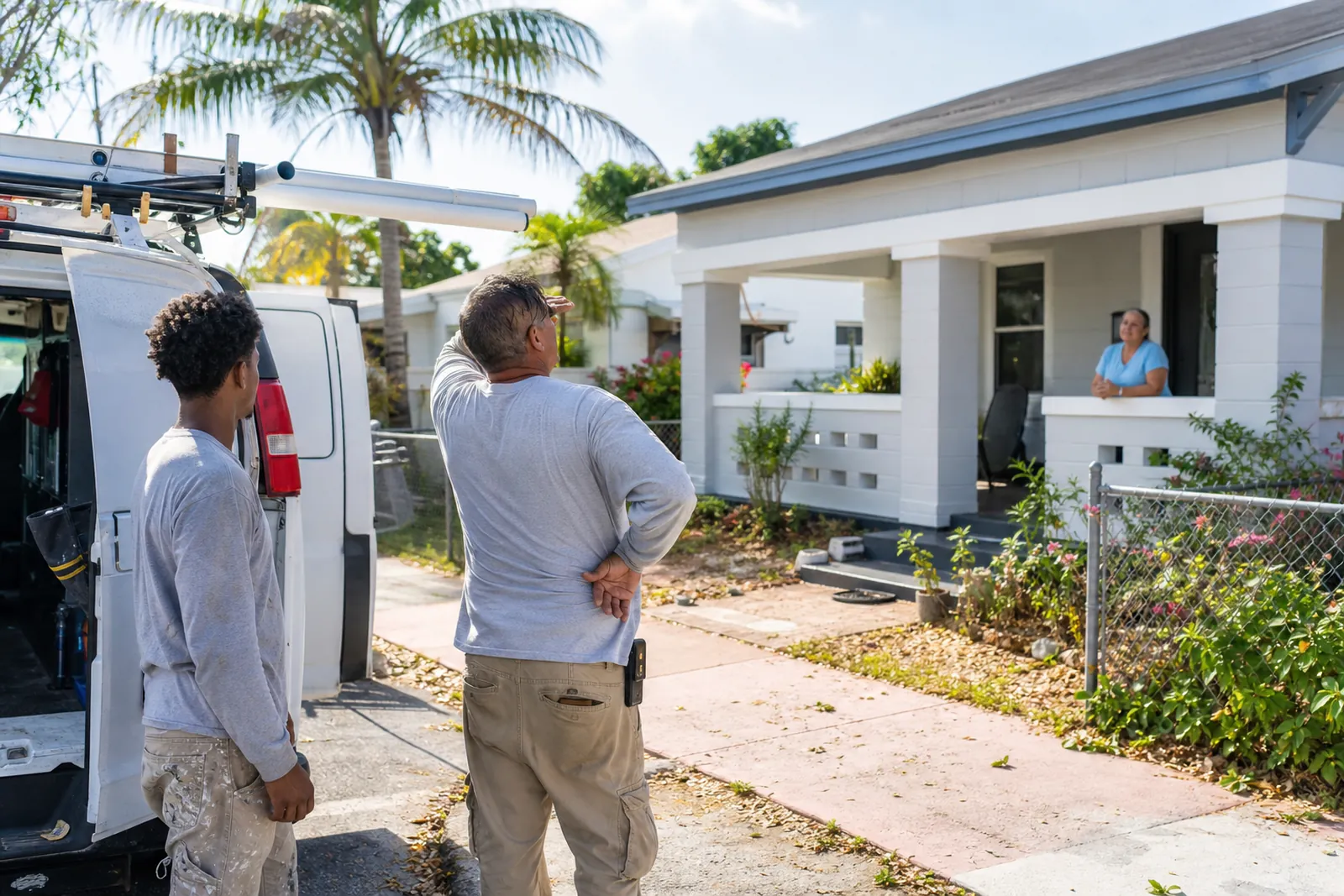
Start with the roads people actually drive
The easiest way to make a town page feel real is to talk about the roads and routes people know. If your customers in that area use a main boulevard, a causeway, a parkway, or a busy local avenue, mention it the way a neighbor would. That tells the reader you understand how people move through town.
You do not need a pile of road names. Pick a few that matter to your service area and use them in a natural way. For example, a locksmith page might say you work near the main shopping strip, near the apartment blocks off a certain avenue, and around the older homes west of the highway. A roofer might mention the neighborhoods near the interstate and the streets where flat roofs are common.
- Use road names only if they matter to real jobs you do.
- Do not list every street in town just to look local.
- Write like you are giving directions to a customer, not naming landmarks for show.
Use places people recognize right away
A believable town page should name places your customers know from daily life. Think grocery stores, parks, schools, post offices, downtown blocks, churches, libraries, and well known intersections. These references work because they fit normal conversation and help the reader picture where you work.
Keep the tone simple. Say you serve homes near the old downtown area, businesses around the main shopping center, or clients close to the community park. If you use a place as a reference, make sure it is a place people in that town would really know. A random landmark that sounds local but is not part of the area will make the page feel forced.
- Choose places your customers can picture without thinking hard.
- Use a few strong references instead of a long list.
- Skip landmarks you only found because they sounded local.
Show that you understand the housing and the weather
The homes in a town tell you a lot about the work people need. Older single family houses, newer subdivisions, apartments, condos, townhomes, and mixed use buildings all lead to different service needs. A good town page should hint at that without turning into a real estate report.
Say what you see. If the area has older homes with original windows, mention that many projects there involve repair work and careful upgrades. If the town has lots of newer developments, note that you often help with fresh installs, maintenance calls, and clean finishes. If apartments are common, point out that access, parking, and shared walls can affect the job.
Weather matters too. In a place with heavy rain, salt air, heat, storms, or long sunny stretches, your page can mention the kind of wear those conditions cause. A plumber might talk about corroded fixtures in coastal homes. A painter might mention fading and moisture on exterior surfaces. A garage door company might note that heat and humidity can be hard on moving parts. Keep it plain and true to the area.
- Match your wording to the building types in that town.
- Mention weather only when it affects the work you do.
- Avoid broad claims that sound like you wrote for every city.
Use real job photos, not borrowed local flavor
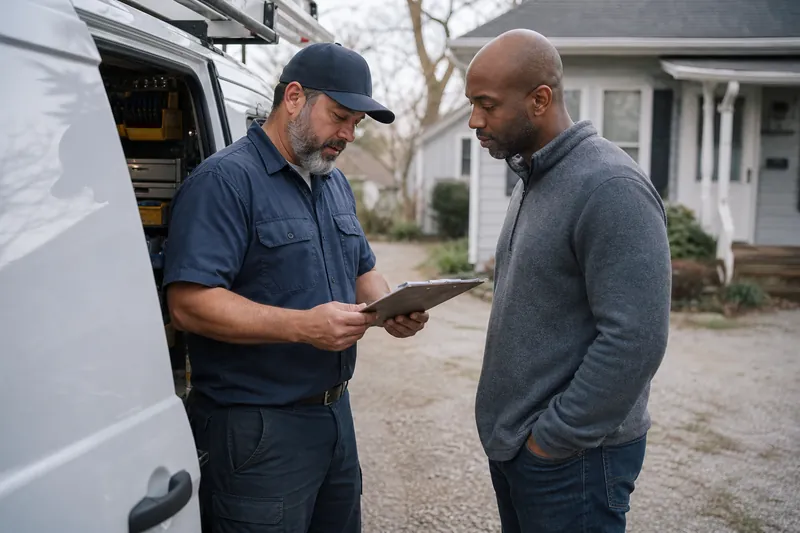
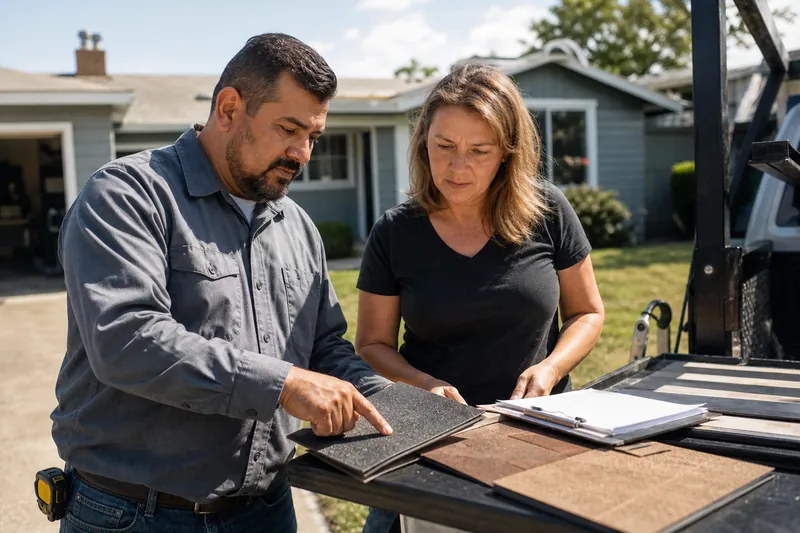
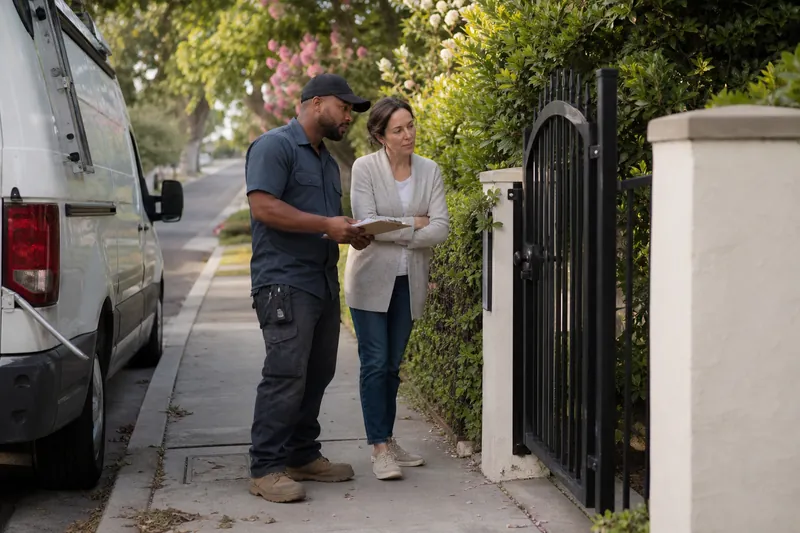
Photos do a lot of the trust building for you. A picture of a real job in the area tells a better story than a wall of text. Use photos of your team working, your truck at a house, a finished repair, a clean install, or a project in progress. Real job photos help show that you are active in the community and not just writing from a desk.
If you can, mix a few photo types. Show the kind of property you work on, the kind of tool setup you bring, and the kind of finished result a customer might expect. For example, a salon could show a stylist working on a local client in a familiar kind of space. A contractor could show a worker at a home with the same roof style or driveway style common in that town.
Avoid stock photos that could be from anywhere. Also avoid using a picture of a local building if you have never worked there. Readers notice when the images do not match the service being described. A believable page says, in effect, this is the kind of job we really do here.
- Use your own job photos whenever you can.
- Show real work, not just polished poses.
- Keep the image set consistent with the town and the service.
Why invented details backfire
Made up details are one of the fastest ways to lose trust. If you name a street, a school, a neighborhood, or a landmark that is not actually part of the town, someone local may catch it right away. Even if they do not, the page can still feel off because the wording will not match how locals talk.
The same problem shows up when a page tries too hard to sound local. A sentence that throws in a fake neighborhood name, a random festival, and a few overused phrases can feel staged. Readers want to know you serve their area, not that you scraped together local words from a search result.
A safer method is to stick to details you know from real jobs, real calls, and real visits. If you are not sure about a local reference, leave it out. It is better to sound plain than to sound wrong.
- If you have not worked there, do not invent a nearby place to sound familiar.
- Do not copy a town page and swap the city name.
- Use real service stories before you use local flavor.
Write the page like a local helper, not a tour guide
The best town pages do not try to impress readers with a pile of names. They help the reader feel understood. That means using clear words, short sentences, and details tied to real service work. Talk about the kinds of homes, the main roads, the common building styles, and the weather conditions that change the job.
You can also include a short line about how you work in that area. Mention that you know how to plan around apartment parking, gated communities, narrow driveways, busy streets, or older houses that need careful handling. These are the practical details people care about when they are choosing who to call.
If you keep the page grounded in real work, it will sound more believable than a page packed with names. That is true for contractors, locksmiths, salons, clinics, and other local services. The reader should finish the page thinking, this business knows my town.
A simple way to build each town page
If you need a quick process, use this order. First, write the roads and areas people actually use. Next, add one or two places they recognize. Then describe the homes and weather in plain language. After that, add real job photos. Finish by checking every detail for accuracy.
Before you publish, read the page as if you live there. Ask: would a local nod at this, or would they think it sounds copied? If a detail feels vague, change it. If a detail feels fake, remove it. The goal is not to sound fancy. The goal is to sound familiar and honest.
At Brixel Proyect, we keep this same approach when we build local pages for service businesses: real details, plain wording, and photos that match the work. That combination usually does more for trust than any clever line ever could.
Questions owners ask
How many local details should a town page have?
Just enough to feel real. A few roads, a couple of familiar places, and one clear note about housing or weather is usually plenty. Too many details can make the page feel forced.
Can I mention neighborhoods if I do not work there every day?
Only if you really serve them and know them from actual jobs or visits. If you are guessing, leave the name out and describe the area more generally. Accuracy matters more than sounding local.
What if I do not have photos from that town yet?
Use photos from similar real jobs and keep the wording honest. Do not pretend a picture was taken in a place if it was not. As you work in the area, replace older images with fresh ones from actual jobs there.