 Brixel Proyect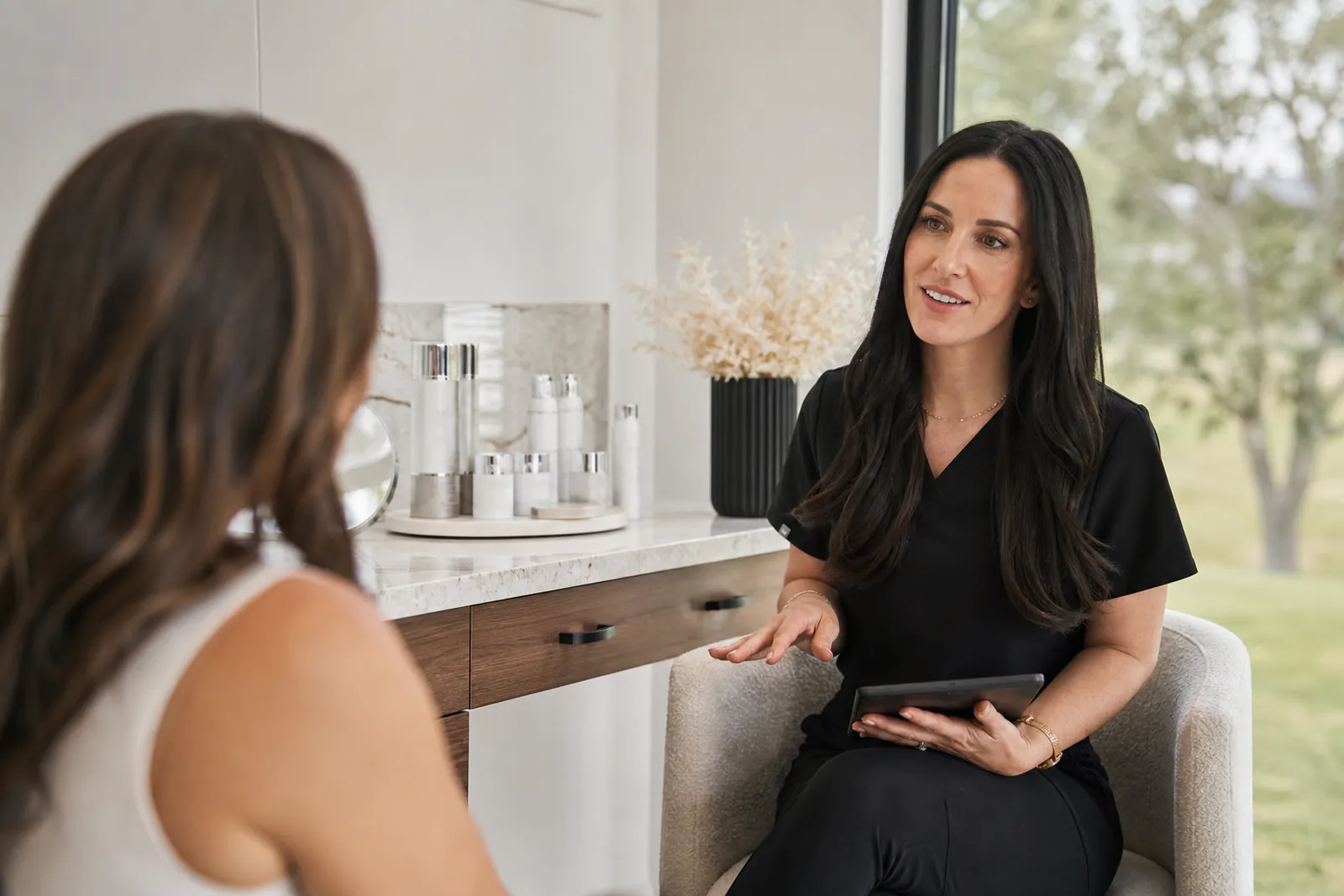
Start with the questions people ask before they book
Most med spa visitors are not looking for a long brand story. They want to know what a treatment is, what areas it helps with, who performs it, and how to set an appointment. Put those answers near the top of the page, in plain English. If someone has to hunt for the basics, they may leave and call someone else.
Write each treatment page like a calm conversation. Say what the service is, who it is for, what the appointment usually includes, and what a first visit feels like. Keep the tone friendly and clear. Skip the buzzwords and the heavy medical language unless it truly helps the reader. You are not trying to sound fancy. You are trying to be understood.
- Use short headings like "What it is," "Who it may fit," and "What to expect."
- Answer the booking question before the long explanation.
- Add a simple note if a consultation is needed first.
Explain treatments without hype
A med spa website should feel calm, honest, and specific. Avoid claims that sound too strong or too polished. People usually trust a page more when it explains the experience in normal language. For example, instead of saying a service will transform your skin, describe what the treatment is meant to address and what kind of results people often hope for.
Each service page should focus on one treatment at a time. If you offer injectables, laser services, facials, body contouring, or skin care plans, give each one its own page or at least its own section. That lets you explain the basics without cramming everything into one long block of text. It also helps people find the exact service they came for.
- Say what the treatment does, not what it will magically do.
- Use plain terms people already know from your social posts.
- Avoid stuffing a page with every service you offer.
Show the provider's face, name, and background
People booking med spa services want to know who will be treating them. Put the provider front and center, not hidden in a footer or a tiny bio page. Use a real headshot, the person’s name, and a short background that explains their role, training, and focus. If you have more than one provider, give each person a separate profile.
Keep the bios readable. A visitor should be able to tell who does what in a few seconds. If a provider specializes in certain treatments, say that clearly. If they take a careful, education-first approach, mention that too. The point is not to impress people with a long list of terms. The point is to help them feel comfortable enough to reach out.
- Use a professional photo that still feels warm and real.
- List roles clearly so people know who performs which service.
- Add a short note about what patients often ask that provider.
Handle before-and-after photos with care
Before-and-after photos can help people understand a treatment, but only if they are used carefully. Get clear consent every time. Do not assume permission from a client message, a tag on Instagram, or a verbal yes at checkout. Put your photo process in writing so your team follows the same rule every time.
Keep the images honest and consistent. Use similar lighting, similar angles, and a simple background. Do not over-edit the skin or color balance. If the images look too polished, they can create doubt instead of trust. Add a short note when needed so visitors know what treatment is shown and that results can vary from person to person. That kind of clarity feels more professional than flashy image galleries.
- Build a simple consent form for photo use.
- Use the same pose and lighting in each comparison.
- Label the treatment shown so people are not guessing.
Make booking easy and low-friction
Your booking path should be easy to spot on every important page. Put a clear call to action near the top and again near the bottom. If the next step is a consultation, say that. If people can book a treatment directly, say that too. Do not make them wonder what happens next.
Keep the form short. Ask only for what you need to reply well. Name, contact info, and the treatment of interest may be enough at first. If you need more details, you can ask during the call or after the booking. Long forms can stop people before they finish.
Also think about the real-life flow. If a visitor sees a treatment on Instagram and then lands on your site, they should find the same service name, the same tone, and the same visual style. If the site looks like a different business, people may not trust it. Your website and your Instagram feed should feel like two parts of the same place.
- Repeat the booking button on every service page.
- Use the same names for treatments on the site and social posts.
- Keep contact forms short and easy to complete on a phone.
Match the design to the brand people already see
Many med spas get attention on Instagram, but the website feels like a different world. That disconnect can confuse people. If your social feed is soft, bright, and polished, your site should share that mood without copying every post. Use similar colors, similar photo style, and similar wording so the visitor feels continuity.
Do not chase trends that fight your brand. A med spa usually works best with a clean layout, strong spacing, easy reading, and a few carefully chosen photos. You do not need a crowded homepage. You need a page that feels calm, credible, and easy to use on a phone. If the design gets in the way of reading, it is doing too much.
- Choose one visual style and use it across the site.
- Make sure the homepage feels like your Instagram feed, not a random template.
- Keep text readable on mobile without zooming.
Build trust with small, real details
Little details can do a lot of work on a med spa site. Add hours, location, parking notes, and what people should bring to their visit. If you have a consultation process, explain it simply. If there are age limits, prep steps, or things to avoid before a treatment, say them plainly. People appreciate a site that saves them from sending the same question over and over.
A good med spa website should also make room for common questions. Can someone combine treatments? How far apart should visits be? What should they expect after the appointment? You do not need to cover every case, but you do want to show that your team thinks ahead. That is often what turns a curious visitor into a booked client.
- Add practical visit details, not just marketing copy.
- List prep instructions in simple steps.
- Use an FAQ section on each major treatment page.
Questions owners ask
Should every treatment get its own page?
If a treatment is one of your main services, yes. A separate page gives you room to explain what it is, who performs it, what to expect, and how to book without crowding the rest of the site. Smaller services can live in a section, but the main offerings deserve their own space.
What should I avoid saying on a med spa website?
Avoid claims that sound too strong, too certain, or too salesy. Keep the wording honest and specific. Explain the service, the process, and the kind of experience people can expect, but do not promise outcomes or overstate what a treatment can do.
Do I really need before-and-after photos if I have a strong Instagram feed?
They can still help, especially when people want a closer look at a specific treatment. The key is to use them with consent, keep them consistent, and make sure they fit your brand. Instagram can create interest, but the website should answer questions and build trust.