 Brixel Proyect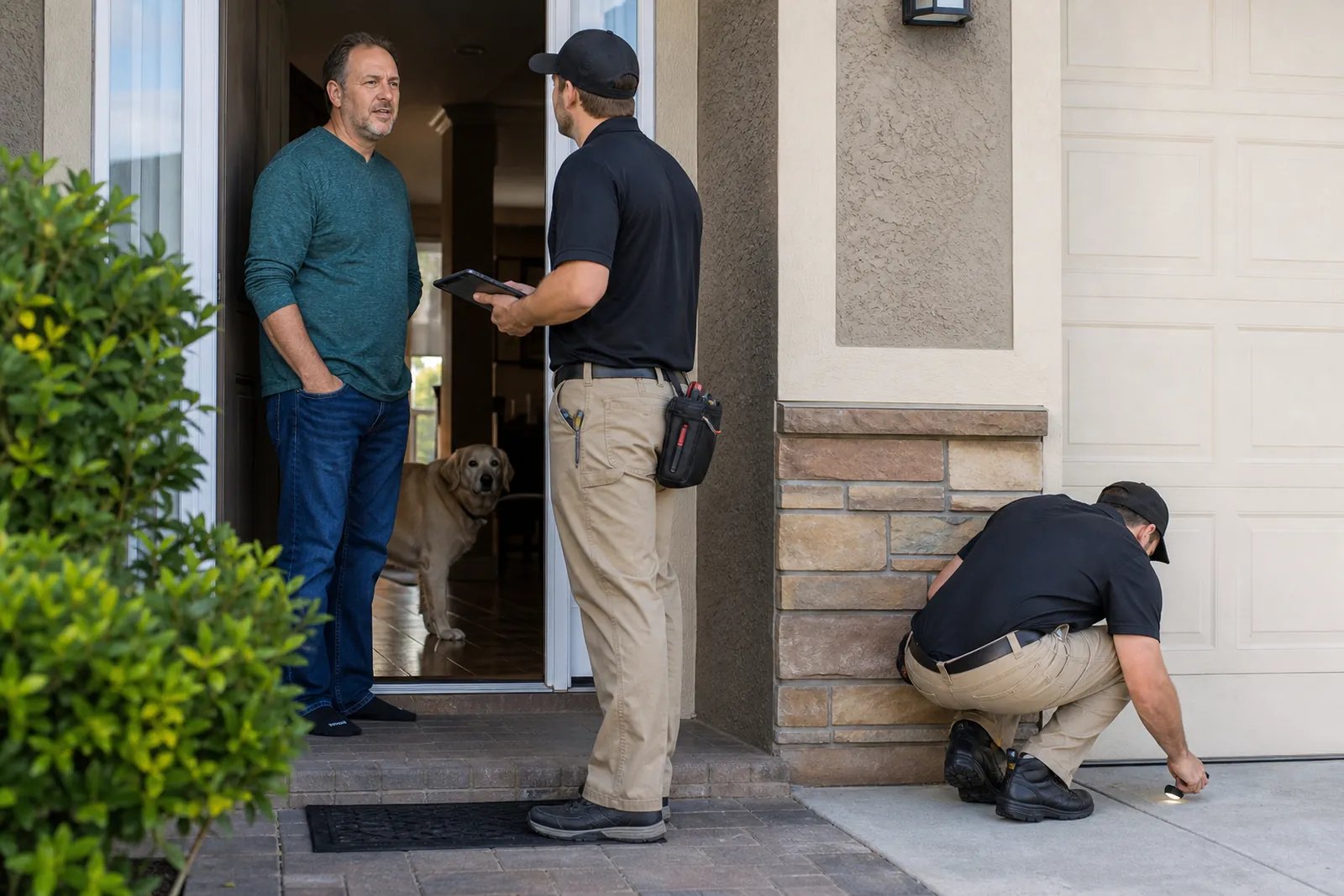
Start with the jobs people actually search for
A pest control site often fails because it talks about the company before it talks about the problem. Most visitors arrive with one clear issue in mind. They have ants in the kitchen, roaches in the bathroom, mice in the attic, or a termite worry after seeing damage. Put those problems front and center.
Build separate pages for the pests and services people ask about most in your area. Think in terms of what a homeowner would type into Google, not your internal service list. If you treat one pest differently in your market, give it its own page. If a pest is common in a certain season, say that on the page and explain what signs to look for.
- Use plain page names like Ant Control, Roach Control, Mouse Control, and Termite Inspections.
- Add a short paragraph near the top that says who the page is for and what the service solves.
- Avoid one long services page that tries to cover everything.
Write pages for seasonal pests before the season starts
Many pest problems follow the weather. Ants show up after rain. Mosquitoes get worse when water sits around. Wasps build nests near roofs and eaves. Rodents look for shelter when it gets cooler. Your website should speak to that pattern in a simple way.
Create a seasonal pests section that changes through the year. Keep it practical. Say what people may notice, where the pests tend to hide, and what they should avoid doing before a visit. For example, a page about ants can explain that spraying store-bought products on the trail may scatter the colony and make it harder to find the source. A page about rodents can tell people not to seal every opening before an inspection if you still need to find where they are getting in.
- Add a short seasonal note on the home page.
- Mention the most common pests in your service area one by one.
- Use the same wording people use in real life, like “sugar ants,” “palmetto bugs,” or “roof rats” if that fits your area.
Make termite inspections easy to understand
Termite work deserves its own space on the site. Many owners do not know the difference between an inspection, a treatment, and a follow-up visit. Explain each step in a simple order. Tell them what you look for, where termites usually hide, and what signs may point to damage.
A good termite page should answer the worries people are too embarrassed to ask out loud. Can you inspect a house with pets inside? Do they need to move furniture? What happens if you find activity? What if the home has had prior treatment? If you offer reports for buyers, sellers, or landlords, say so in plain language. Make it clear that a termite inspection is meant to find evidence, not just check a box.
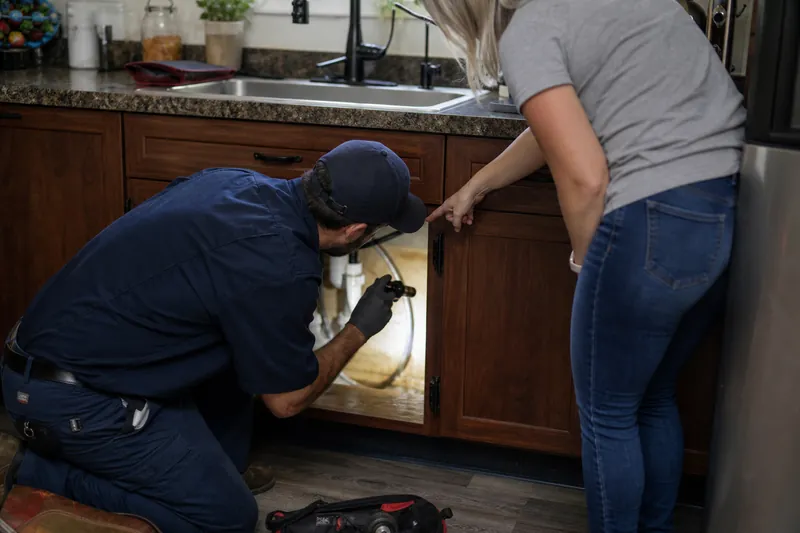
- Use photos of real wood damage, mud tubes, or inspection areas if you have them.
- Explain the difference between visible signs and hidden damage.
- Tell the reader how to prepare the home before the visit.
Explain recurring plans without sounding pushy
Recurring pest control plans can help a lot of homes, but only if the visitor understands what they get and why they may want it. Do not bury this in a generic service list. Put it on its own page and explain the difference between one-time service and ongoing prevention.
Use simple language. Talk about regular visits, exterior protection, and check-ins for new activity. Be clear about what kinds of homes may benefit most, like homes near water, older homes, or places with repeated ant, roach, or rodent problems. If your plan includes reminders, re-treatment, or inspection of problem areas, say that. If a plan is not the right fit for a one-time issue, say that too. That honesty builds trust.
- Write a short section called “When a plan makes sense.”
- List what the plan covers and what it does not cover.
- Avoid vague words like “full protection” if you can’t define them.
Answer pet-safe questions before the phone rings
Pet safety is one of the first things many people want to know, especially if they have dogs, cats, birds, fish tanks, or reptiles. Put those answers on the site where people can see them fast. Do not make them search through a long FAQ page to find basic guidance.
You do not need dramatic language. Just explain how you work around pets, when they may need to stay out of an area, and what the homeowner should do before and after service. If some treatments call for different precautions, say that clearly. If you provide options for homes with children or pets, explain how you help people choose the right one. Be direct about what the customer should ask before the visit, such as the type of pet, where it stays, and whether a tank or cage needs to be covered or moved.
- Add a pet-safe section to treatment pages and your FAQ.
- Use clear steps like “before service,” “during service,” and “after service.”
- Avoid claiming every service is safe without conditions or preparation.
Make local trust easy to see on every page
A pest control site works better when visitors can quickly tell that you serve their kind of property and their part of town. Use simple local language. Mention the towns, neighborhoods, or nearby areas you actually cover. If you work with homes, apartments, restaurants, offices, or rental properties, say which ones you handle most often.
Add proof that feels real. That can be before-and-after photos, a short explanation of your process, or a page that answers common questions in a calm, helpful voice. Keep your contact options obvious. A visitor who sees ants in the kitchen does not want to hunt for a form. A short call to action like “Call for an inspection” or “Ask about same-day service” is enough if that matches how you work. If people often find you through Google Business Profile, make sure the page they land on matches what they searched for.
- Put your service areas in the footer and on relevant pages.
- Use photos from actual jobs when you can.
- Keep the main phone number easy to find on mobile.
Questions owners ask
What pages should a pest control website have first?
Start with a home page, a page for each main pest you treat, a termite inspection page, a recurring plan page, and an FAQ. If you serve different property types or nearby towns, add pages for those too. Build from the problems people search for most.
Should I put every pest on one services page?
No. A single page can mention your full service list, but the main pests should each get their own page. Separate pages let you answer the visitor’s exact concern and keep the copy focused. That also makes it easier to add local details and seasonal notes.
How much should I say about pet safety?
Say enough to answer the question clearly and calmly. Explain what prep is needed, when pets should stay away, and when they can return. If the guidance changes by treatment, say that plainly so people know to ask before service begins.